Anúncios
Online shopping, influencer marketing, and polished brand stories create high hopes for every new purchase. Shoppers in the United States now expect a near-perfect fit from brands like Levi’s, Uniqlo, Everlane, and J.Crew. Many think that spending more means better quality. This article looks at whether the fit really matches the price.
The mismatch between expectation and reality is clear in the high return rates of online clothes shopping. Retailers like Zara and Nordstrom use catchy images and words to set high expectations. Meanwhile, luxury brands like Gucci and Theory talk about their quality to justify high prices. But, the fit and price don’t always match.
Anúncios
We’re going to see how fit versus price works. We’ll discuss how we view price, and look into sizing and how clothes are made. We’ll also test clothes from different price levels. You’ll find out when paying more gets you a better fit, and when it’s just good marketing.
This fashion value review shares insights from industry reports, studies on shopper behavior, standards in textiles, and examples from real brands. It’ll help you figure out if what you pay is truly worth the fit you get.
Key Takeaways
- Higher price does not always guarantee better fit; assess materials and construction alongside brand reputation.
- Marketing and influencer imagery shape expectation vs. reality—look for real customer photos and detailed measurements.
- Size charts and consistent sizing standards are crucial for reducing returns and finding reliable fits.
- Evaluate clothing fit and cost across price tiers: budget goods, mid-range brands, and high-end labels each offer trade-offs.
- Use a fashion value review mindset: weigh performance, care needs, and tailoring options before spending more.
Expectation vs. Reality: Does the Fit Match the Price Tag?
Before buying, product images and descriptions create high expectations. Brands like Gucci use shiny lookbooks, while fast-fashion bets on catchy content. Then, influencers show off these styles, making everything seem perfect.
Defining the expectation: marketing, brand storytelling, and influencer influence
Retailers carefully choose photos and words to suggest how clothes should fit. Terms like tailored or slimming push us towards buying. But tricks like retouching can hide the true fit from us.
Defining the reality: actual fit, materials, and wearability
Real fit versus ads can vary due to different body shapes and fabric behavior. A cotton shirt’s look can change after washing. The cut and sewing affect if a jacket keeps its shape or not.
Wearability is about how comfy you are and if you can move easily. Jeans might look nice but feel tight when sitting. It’s smart to move around in them first to check the fit.
Why comparing expectation and reality matters to shoppers in the United States
U.S. shoppers don’t like returning items and are busy. Right info beforehand means less hassle. People across the U.S. have different tastes. One-size-fits-all doesn’t always work. Clear size info and true stories from brands make choosing easier.
Easy return policies and clear material details also help avoid regrets. If websites show what clothes really look like and list what they’re made of, customers know what they’re getting.
How Price Influences Perceived Quality in Fashion
Price sets initial expectations for an item before it’s even touched. It links cost to quality through mental shortcuts and visible cues. The aim is to guide readers in distinguishing real value from image-driven pricing.
Psychology of price and perceived value
People quickly use price to gauge an item’s worth. A high initial price creates a standard for comparison. Therefore, expensive items are often seen as better in quality or fit.
Emotions play a role too. Prestige from designer brands adds to an item’s value. This status is seen as part of what the clothing offers, beyond just materials.
Common signals shoppers use to equate price with quality
Shoppers trust brands like Levi’s for denim and Patagonia for outerwear. Brand reputation acts as a trusty shortcut.
Quality signals include store presentation and the feel of the fabric. Labels mentioning origin or specific materials also help.
- Premium packaging and price tags add to the perception of quality
- Details like bound seams or metal hardware indicate craftsmanship
- Certifications and provenance statements provide assurance
When price is a reliable indicator and when it’s not
In areas where materials and craftsmanship are key, price generally aligns with quality. Examples include wool coats, leather shoes, and tailored suits. Here, price differences often reflect true quality differences.
But a high price doesn’t always mean better quality. Fast fashion and heavily advertised items sometimes charge more for the image. This sparks discussions about the value of apparel among savvy shoppers.
Brands like Everlane and J.Crew find a good balance. They offer items that match their price in quality, thanks to efficient sourcing and transparent pricing. This approach enhances the value of their clothing without high markups.
Fit Factors: What Determines a Garment’s True Fit
Figuring out why clothes fit certain ways helps shoppers find what suits them best. This guide talks about key factors of garment fit. It helps readers choose wisely when shopping online or in-person.
Role of sizing standards and the lack of universal sizing
There isn’t just one sizing system in the U.S. Brands like Levi’s, J.Crew, and Nike have their own sizes. So, a size 6 or M can vary greatly between brands.
Over time, brands change their size definitions. This means older sizes might not match today’s sizes. It’s better to look at the size charts for chest, waist, and hip sizes instead.
Impact of fabric, cut, and construction on fit
Fabric plays a big role in how clothes fit, based on its weight, type, and stretchiness. For example, cotton knit with some elastane stretches more than plain cotton. Lightweight fabrics drape well, while heavier ones maintain shape and can either hide or show the body’s form.
The cut of clothes affects their shape on your body. Things like pattern design, added room for movement, and sewing details affect fit. How a garment is made, including seams and finishes, also influences its fit. Premium brands often provide a snugger fit through detailed craftsmanship.
How fit differs across body types and why brands miss the mark
Fit problems can happen because of differences in torso length, shoulder width, and other body measurements. What works for an athletic build may not fit a pear-shaped body well.
Most off-the-shelf clothes are designed for an ‘average’ body, leaving many people out. Searching for brands with inclusive sizes and different fits, like tall or petite, can help. Altering clothes is also a good option when ready-made clothes don’t quite fit.
Material Quality vs. Price: Are You Paying for Performance?
When choosing clothes, consider the initial price against what you get over time from the fabric and build. People who think about material quality and price often find that the brand doesn’t always tell how well a piece will last or how it’ll look after use.
Natural fibers, blends, and synthetics—how they affect fit over time
Cotton is comfy but may shrink and not hold its shape after many washes. Cotton mixed with spandex, however, bounces back better and keeps its shape.
Wool, like merino, fits nicely and avoids pilling if it’s quality. Linen is cool and breathable but can get permanent creases that change how it looks.
Synthetics, including polyester and elastane, are stretchy and keep wrinkles away. For clothes that need to stay fitting well, like sports gear, a mix of polyester and elastane is used. Remembering this can help you know what to expect in terms of comfort and how much care your clothes will need.
Durability tests: seams, stitching, and hardware that reveal true value
Looking at seams and stitch types can show how well something is made. Seams made with a lockstitch and lots of stitches are stronger and look better than those with fewer stitches.
Important areas to check are where there’s extra stress, like buttonholes and zippers. High-quality zippers, such as YKK, and strong snaps are signs of a garment that won’t break down easily.
Doing simple checks at home, like pulling on seams gently, checking for any pills on the fabric, and trying the zippers, can tell you a lot about its quality.
Care instructions and maintenance costs that affect long-term satisfaction
The care tag tells you a lot about the real cost of owning it. Items that need dry cleaning add more costs and time. Not following wash and dry instructions can lead to shrinkage or colors fading.
Think about how much care costs when buying: the purchase price plus cleaning and fixing means the real cost of owning it. A cheaper item might turn out pricier if it needs lots of care or replacing often.
- Quick tip: Match the fabric with your lifestyle. For those who travel a lot, choose fabrics that don’t wrinkle easily and are easy to care for.
- Quick tip: For key items, look for clear signs of good construction so you can easily check their quality when shopping or when they arrive.
Real-World Testing: Reviewing Popular Price Tiers
I wore the same type of clothing but at different price levels to see how they hold up. I measured their fit before wearing, after wearing them for a week, and after washing them. This helped me see changes in fit, how the fabric wears out, and any problems with how they’re made at each price level.
Budget options: what to expect from low-cost garments
Stores like H&M, Target’s A New Day, and Shein offer trendy clothes for very little money. Their clothes might use lighter materials and the sizing can be off, making it hard to find a good fit. Some items might last a season if you’re lucky, while others could stretch, fade, or lose their shape quickly.
The good side is they’re cheap and easy to replace if trends change. But the downsides include them not lasting long and having a bigger negative impact on the environment. Sometimes, you might find a great fitting t-shirt or dress at a bargain price.
Mid-range brands: balancing cost and fit consistency
Brands like Uniqlo, Levi’s, Everlane, and J.Crew use better materials and have more consistent sizing. Reviews of these brands usually reveal well-made clothes that stay true to their size charts. They offer a good mix of price and quality for daily wear items like jeans and shirts.
You can expect sturdier fabrics and more reliable stitching from these brands. They include details like stronger stitches or better zippers. While their clothes aren’t fancy, they’re reliable and last a good while.
High-end labels: where premium often delivers and where it falls short
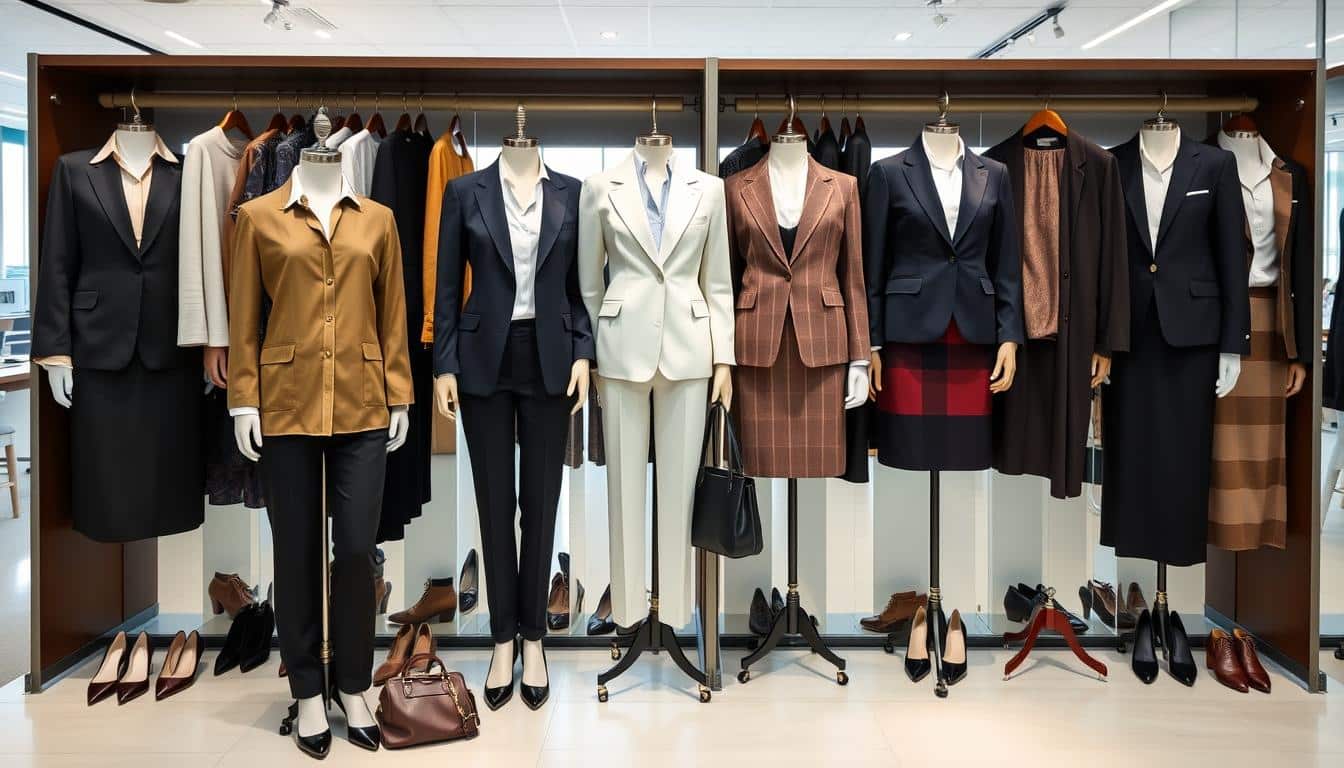
Luxury fashion from brands like Brunello Cucinelli, Theory, Gucci, and Prada often use top-notch materials and detailed craftsmanship. Their suits and coats might almost feel custom-made right off the shelf. High-quality materials like premium leather and wool last longer and look better.
But, even expensive clothes have their issues. Some focus more on the brand’s image or unique designs rather than being practical for daily wear. A high price tag doesn’t always mean the clothes fit better, especially if they’re more about fashion than function.
Testing tip: try the same style of clothes—like jeans, a blazer, or a coat—from different price ranges. Note their measurements, how they change after washing, and if they keep their shape. This can show you the real differences between budget, mid-range, and luxury clothes.
Shopping Strategies to Close the Expectation-Reality Gap
Smart shopping begins with stopping, reading, and comparing. Reading product descriptions carefully saves both time and frustration. It’s essential to look for details like fabric type, how much it stretches, and specific sizes such as waist and hip measurements for bottoms, and chest and sleeve lengths for tops. You should also see if the fit is relaxed, slim, or true to size and compare these with your measurements.
Understanding size charts is key, especially when brands use alphabetic sizes instead of numeric. Sometimes, you might need a conversion chart. It’s helpful to look at the model’s dimensions and if the item is shown on various body types. This info helps you visualize how a garment might look on you.
Reading reviews is like getting a reality check. It’s good to focus on reviews that talk about the garment’s size and show pictures. They often highlight fit problems like how wide the sleeves are or the length of the hem. Look for reviews from people who are your height and size for the best advice.
When shopping, consider the return policy. Choose stores with easy return processes for trying new brands. Nordstrom is great with returns, but Amazon’s return policy can change depending on the seller. Always check if returns are free, especially when buying expensive items.
Consider tailoring to make a good find even better. Adjusting hems, side seams, or sleeve lengths can be affordable. These small changes can majorly improve how clothes look and feel on you. Think about the cost of alterations when choosing between brands or price levels.
Before deciding to tailor or return an item, look closely at its construction and material. If the seams and fabric are high quality, small adjustments can be worth it. However, return items if there are big issues like the shoulder width or bust size that tailoring can’t easily fix.
- How to read size charts: compare listed measurements to your own and check stretch content.
- Using reviews to shop: prioritize photos and measurements from reviewers with similar builds.
- Return policy shopping tips: verify return windows and fees before checkout.
- Tailoring value: budget for hemming and minor tweaks to elevate fit and longevity.
Case Studies: Expectation vs. Reality Examples
Here are direct comparisons to show if marketing promises match up with actual results. We observe how claims fare in reality through measurable checks. These checks include looking at changes before and after use, how long items last, and how comfortable they feel to users.
Designer blazer case study
We looked at blazers from Brunello Cucinelli, J.Crew Ludlow, and Zara. We checked their construction details like canvas weight and how shoulders are built. Things like buttonhole quality and how well they look after wearing for a week were reviewed too.
We had a list to follow, checking how well each blazer fit in different areas. We took measurements before and after wearing them a bit. This showed us if they kept their shape and how they hung.
Jeans wear test
We tried out Levi’s 501, Madewell jeans, and cheaper ones from Target. We checked their size and fit right at the start. Then, we washed them multiple times to see if they kept their color and shape.
We kept an eye on when they started to show signs of wear. We also noted changes in fit in areas like knees and seat. Comfort scores from users helped us see how well they stayed fitting over time.
Activewear performance review
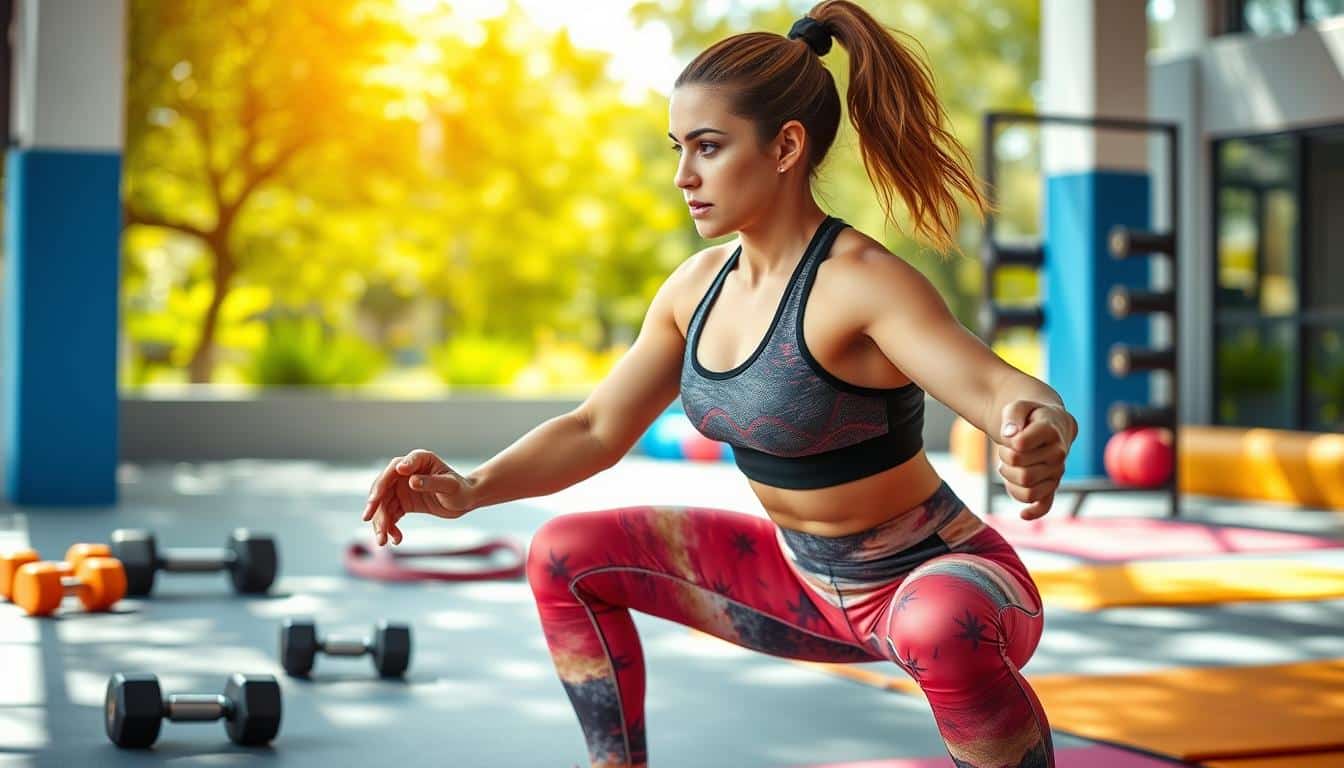
We tested activewear from Lululemon, Nike, and Old Navy to see how they perform. We looked at how quickly they dry, how well they breathe during tough workouts, and if waistbands held up. After wearing and washing them a lot, we checked how well they kept their shape and if they stayed opaque.
Users gave feedback on how they felt during and after workouts like HIIT and yoga. This helped us understand their true comfort level.
Following the same set of criteria allowed us to make comparisons easily. This setup lets readers spot trends across different brands and price levels. They don’t have to just rely on what ads say.
Conclusion
After comparing what ads promise and what we really get, the link between price and fit is obvious. Price usually matches fit quality when it comes to materials and how something is made. Suits, coats, and high-quality jeans often have better fitting, strong seams, and materials that fall nicely.
Items that focus on the latest trends, whether cheap or expensive, may not fit well.
When thinking about what clothes are worth, shoppers should be smart. Look at size charts and what others say, check the materials and stitches, and think about cleaning and fitting costs before buying. Mid-range brands might offer the best value for the money. And spending on quality essentials is wise, as good materials last longer.
In the U.S., if you’re wondering whether the fit is worth the price, go for stores with clear size guides and easy returns. If not sure, choose clothes that can be adjusted or go for trusted mid-range brands. This guide on judging price by fit says: test, look closely, and think about long-term use. This approach narrows the gap between what you expect and what you get, ensuring you spend wisely.
Content created with the help of Artificial Intelligence.