Anúncios
Shopping on Shein can be uncertain without a clear strategy. This short guide shows you the best way to match your body to Shein Size Charts. Now, you can shop with more certainty. It gives US shoppers practical steps to get clothes online that fit well. And it helps avoid the need for returns.
Fast-fashion sites like Shein feature many sellers and fit types. That’s why a trustworthy Shein size guide is vital. Knowing the latest Shein sizing tips, understanding how to choose your size, and having correct body measurements can lessen guesswork. This approach helps save time and cuts costs related to shipping or alterations.
Anúncios
This guide is for US customers who shop for dresses, tops, pants, swimwear, and outerwear. It provides a detailed plan. You’ll learn about the tools needed, how to read Shein size charts, deciding when to size up or down, and utilizing customer photos and comments to assess fit.
By the end, you’ll understand how to blend your measurements with the Shein size guide to improve the fit of your online clothes. Making small adjustments to how you shop will reduce returns. And it makes what you buy more reliable.
Key Takeaways
- Use accurate body measurements before checking any Shein size chart.
- Match your measurements to the specific product’s Shein size guide, not general labels.
- Consider fabric stretch and cut when deciding whether to size up or down.
- Read customer reviews and photos to see how items fit real people.
- Follow simple measuring steps to improve consistency across orders.
Why Shein Size Charts Matter for a Better Fit
Online clothes shopping can be tricky. It’s hard to tell what you’re really getting by just looking at the size label. This is why knowing the size chart is crucial for a good fit.
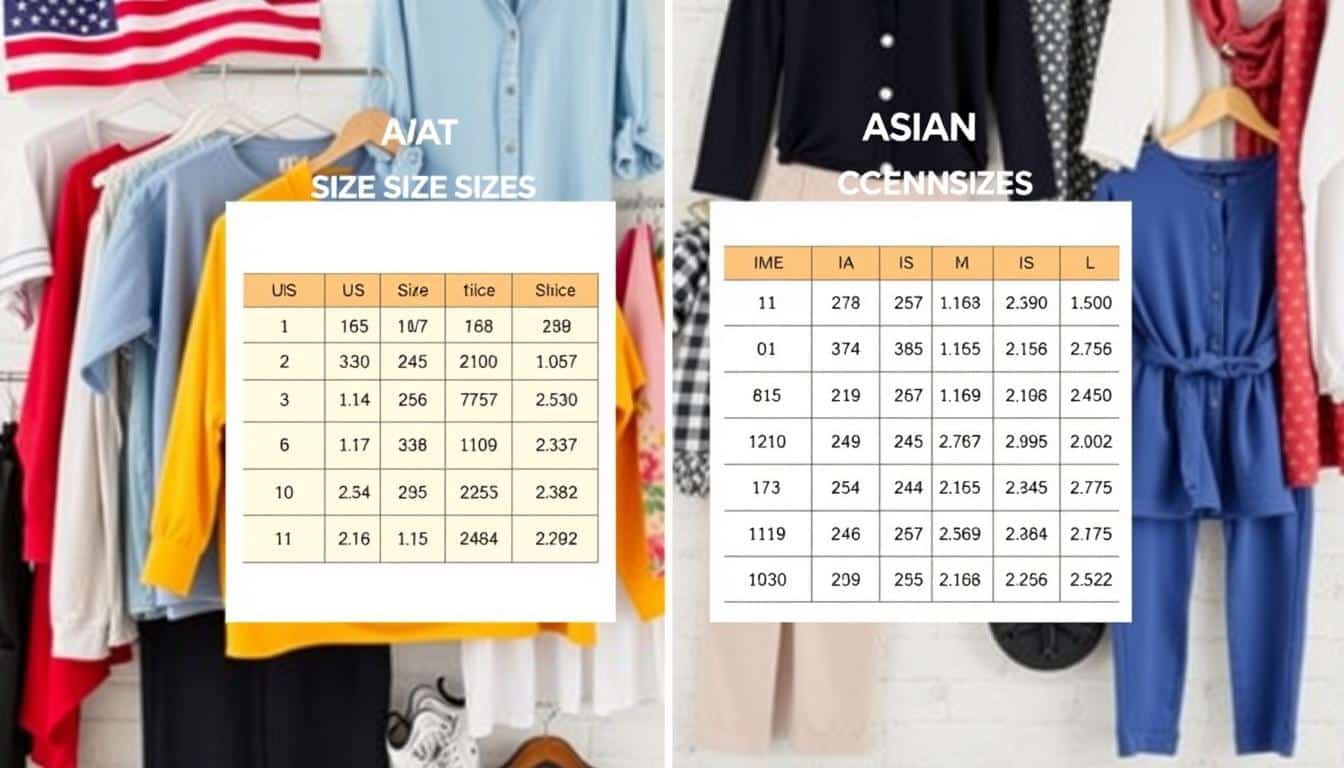
Shein sizes differ from US sizes, which is important to know. Shein works with various manufacturers worldwide, mostly in Asia. Their sizes are usually smaller than what you might find at Old Navy, Gap, or Nordstrom. This means you can’t always rely on just the size number or letter because different items might fit differently.
How Shein sizing differs from US brand sizing
Shein’s sizes can vary because of how each piece is made and where it comes from. A medium in one Shein item might not measure the same as a medium in another. This variation is why people get confused between Shein and US sizes.
It’s best to look at the specific size chart for each item. These charts give the measurements for bust, waist, hips, and sometimes more. They’re more accurate than just the size marked on the clothing tag.
Common fit problems shoppers encounter
People often find Shein clothes to be tight in some areas and loose in others. Tops might be tight around the chest or short at the waist. Dresses could be tight on the hips but loose at the waist, and pants might have issues with waist size or leg length.
The fit of swimwear and structured pieces like blazers can be off, too. Swimwear often runs small, and jackets might not fit right in the shoulders or sleeves. To avoid these issues, check the exact measurements before buying.
Why relying on measurements beats guessing sizes
Using measurements instead of guessing sizes is more reliable. By comparing your own measurements with the product’s size chart, you’re more likely to get a good fit. This approach lessens the chance of having to return items.
Remember to account for how tight or loose you want the clothing to be. Add a bit more room to your measurements if you prefer a looser fit. Knowing your measurements and how much extra space you like helps you shop smarter, even with different international sizes.
How to Accurately Measure Your Body for Online Shopping
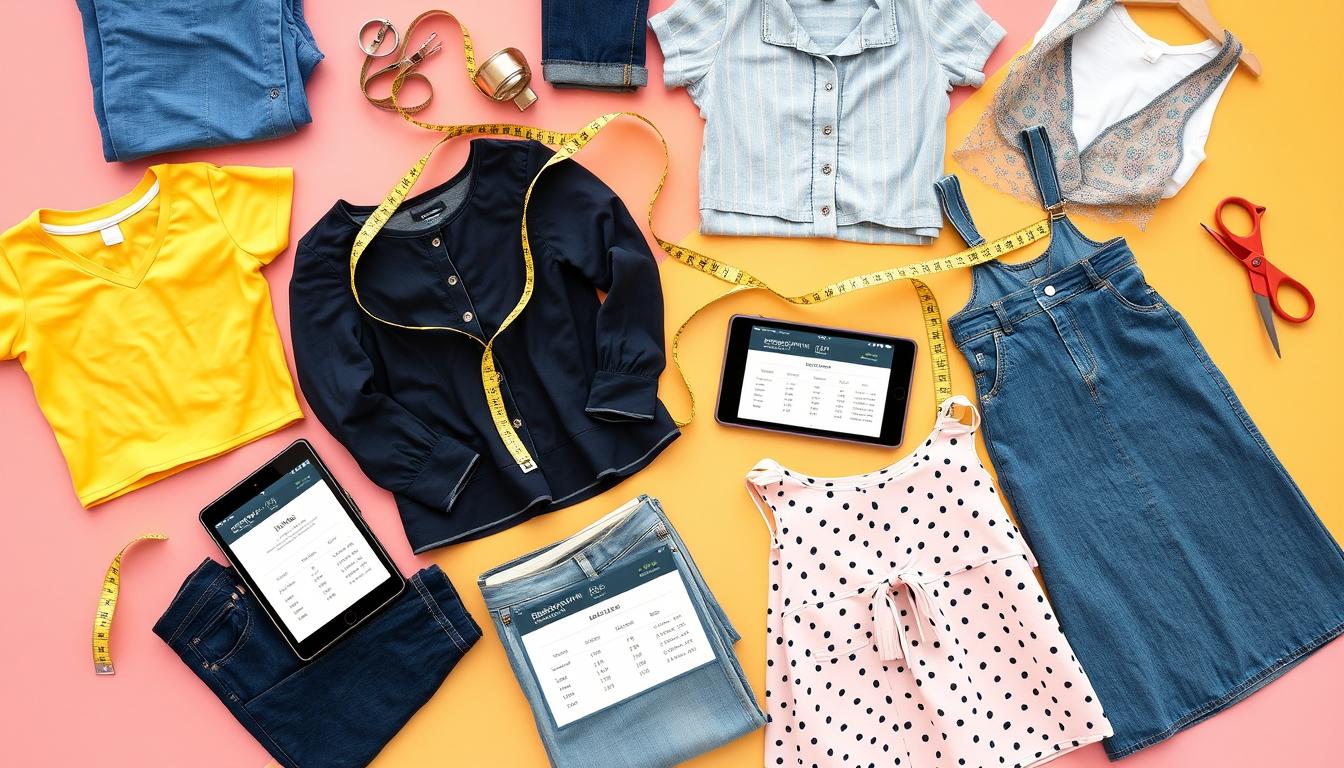
Before you shop online, getting the right numbers is key. Use a soft tape measure and stand in front of a full-length mirror. You should wear tight underwear or your go-to bra. Have something to jot down your measurements close by. This simple setup makes measuring for online shopping easy and trustworthy.
Tools you need: tape measure and a flexible ruler
Pick a soft tape measure that’s 24–60 inches long. A bendable ruler or a tailor’s curve can help with tricky spots like inseam and shoulders. It’s best if a buddy can help you keep the tape straight. Don’t forget to note extra details like shoulders and thighs for swimsuits or tailored clothes.
Step-by-step: measuring bust, waist, hips, and inseam
For your bust, loop the tape around the fullest part and relax your arms. Keep the tape flat and level. Measure once in your usual bra and once without, if you wear one. Write both numbers down.
To find your waist, lean to the side to see where it creases; that spot is your natural waist. Wrap the tape snugly but not tightly there. For high-waisted items, measure where they will sit too.
Measure your hips around the biggest part of your bum, usually 7–9 inches below your waist. Keep the tape even and comfy. For the inseam, measure from your crotch to ankle bone or use a pair of pants that fit well.
Keep track of all these measurements. They are what you’ll match with size charts from places like Shein.
Measuring tips for different body shapes and posture
If you’re pear-shaped, focus on your hips and thighs. Look at the waist-to-hip ratio on product details. For apple shapes, getting right the waist and bust sizes is crucial; you might prefer higher waist clothes.
Hourglass figures should match both bust and hips sizes, then check the waist fits. If you have an athletic or rectangle shape, pay attention to shoulders and bust for tops. Some items might need slight changes to perfect the fit.
When you measure, stand naturally but straight. Take measurements in your usual stance so clothes fit right everyday. If you’re unsure, get a friend to help or see a tailor for expert measuring advice.
Best Way to Match Your Body to Shein Size Charts
Open the product page and find the “Size & Fit” or “Size Chart” section. Check the unique chart for the item you’re interested in. Look at body and garment measurements, if both are given.
How to find the right size chart for each product
Click on the size chart icon for each product instead of general advice. Check the measurements for bust, waist, hips, sleeves, and length. If buying sets, check both top and bottom sizes to avoid mix-ups. For S/M/L options, flat measurements can help you understand fit better.
Interpreting the size chart: inches vs. centimeters and tolerance
Make sure you know if measurements are in inches or centimeters. Shein usually uses centimeters, with a switch option to inches. Include manufacturing tolerance, like ±1–3 cm, in your size considerations.
Using your measurements to pick the optimal size
Compare your measurements with the chart’s garment sizes. For a loose top, add 2–4 inches; for a tight fit, add 0–2 inches. Between sizes? Think about fabric stretch and the look you want before choosing.
When to size up or size down based on fabric and cut
Go a size up for non-stretch fabrics, like linen or cotton, or tailored styles. Choose a size down for stretchy materials like spandex blends or if you want a close fit. Pay more attention to hips and bust for elastic waists or drawstrings than to waist size.
This guide helps you read Shein size charts easily and make informed size choices. Remember to compare inches to centimeters and consider garment versus body measurements. Use these tips to confidently pick your Shein size, and decide when to size up or down based on the fabric and style.
Practical Strategies to Improve Fit and Reduce Returns
Before choosing a size, take a moment to explore the product pages. Look at Shein reviews on fit to see if the size matches what you expect. Reading both good and bad reviews helps you know about item length and how it fits around the waist and sleeves. Doing this quick review can reduce surprises later.
Customer photos on Shein are really useful. Try to find pictures from shoppers who are about your height and body shape. These photos show how the fabric falls and the length of the hem. They also show how patterns look on a person. If someone shares their measurements and what size they bought, remember that for when you shop.
Next, think about how fabrics behave. A guide on fabric stretch can tell you if a piece will be comfortable. Cotton mixed with a little spandex will stretch and fit well. Polyester might offer more room but less shape. Clothes with lining usually have a tighter feel, especially around the chest.
Before returning an item, consider if it can be altered. Simple items like t-shirts or jeans can often be adjusted to fit better. See how much it costs to alter clothes locally compared to return shipping fees. Many times, altering is cheaper than sending something back.
When shopping on Shein, especially if you’re used to US sizes, use size conversion charts. It’s better to compare your usual US size to Shein’s sizes instead of guessing. Keep a note of what you buy, the size from Shein, and a quick comment on how it fits. This will make shopping easier next time.
Deciding whether to alter or return an item should be based on cost and how practical it is. If the fix is easy and you’ll wear the item a lot, consider altering it. For items that need big changes or have strict return policies like swimsuits, returning them might be best.
- Quick checklist: read mixed reviews, view customer photos Shein, note reviewer measurements.
- Fabric check: consult a fabric stretch guide, verify lining, estimate alteration scope.
- Sizing tools: use conversion charts Shein and keep a size log to speed future buys.
- Decision point: weigh return fees against local tailor costs before choosing alter vs return clothes.
Conclusion
Start by measuring yourself accurately. Make sure to measure your bust, waist, hips, and inseam consistently. Write down these measurements in both inches and centimeters. Doing this helps you choose the right size on Shein more easily.
Then, look closely at Shein’s size chart for each product. Compare the clothing measurements with your own. It helps to pay more attention to the garment’s actual dimensions rather than just size names. Also, consider how much the fabric stretches and the style of the cut. Reading reviews and seeing customer photos can provide insight on whether to get a larger or smaller size.
Here are some final pointers for shopping on Shein with success: keep track of which sizes fit you well, always lean on the side of the garment’s specific measurements, and go for items that have easy return policies. If unsure, buying two different sizes if your budget allows is a good strategy. Shopping becomes simpler and more satisfying when you consistently measure yourself and follow these steps.
Content created with the help of Artificial Intelligence.