Anúncios
Shopping on Shein is like going on a treasure hunt. You’ll find great deals, the latest styles, and so many choices. Yet, the thrill can quickly turn to disappointment due to sizing issues. This guide aims to help U.S. shoppers pick the perfect top on the first try.
Here, we’ll show you how to measure your body parts such as the bust, underbust, waist, hips, sleeves, and shoulders. You’ll learn how to match these measurements with the Shein tops size chart. We’ll detail how Shein’s sizing compares with other U.S. brands. You’ll find out when to choose a larger or smaller size, depending on the material and design. Plus, how to use customer reviews and pictures to see how the tops really fit.
Anúncios
Before you place your order, make sure to measure yourself correctly. Also, read the notes about each item and look at reviews. Use our Shein sizing guide as your go-to resource. Bookmark it to cut down on returns and always find your best fit.
Key Takeaways
- Measure bust, underbust, waist, hips, sleeves, and shoulders before ordering.
- Compare your measurements to the Shein tops size chart and note whether values are in centimeters or inches.
- Check fabric composition for stretch; size up for nonstretch woven styles and size down for very stretchy knits.
- Use customer photos and reviews to confirm fit for specific tops and styles.
- Keep return and alteration options in mind to salvage near-fit purchases.
Understanding Shein Sizing and Why It Varies
Shopping on Shein is not the same as buying from Gap, Old Navy, or Madewell. Shein uses size charts that may list numbers and letters and often uses centimeters. This causes differences in Shein sizes compared to US department stores. Always look at each product’s listing before adding items to your cart.
How Shein size standards differ from US brands
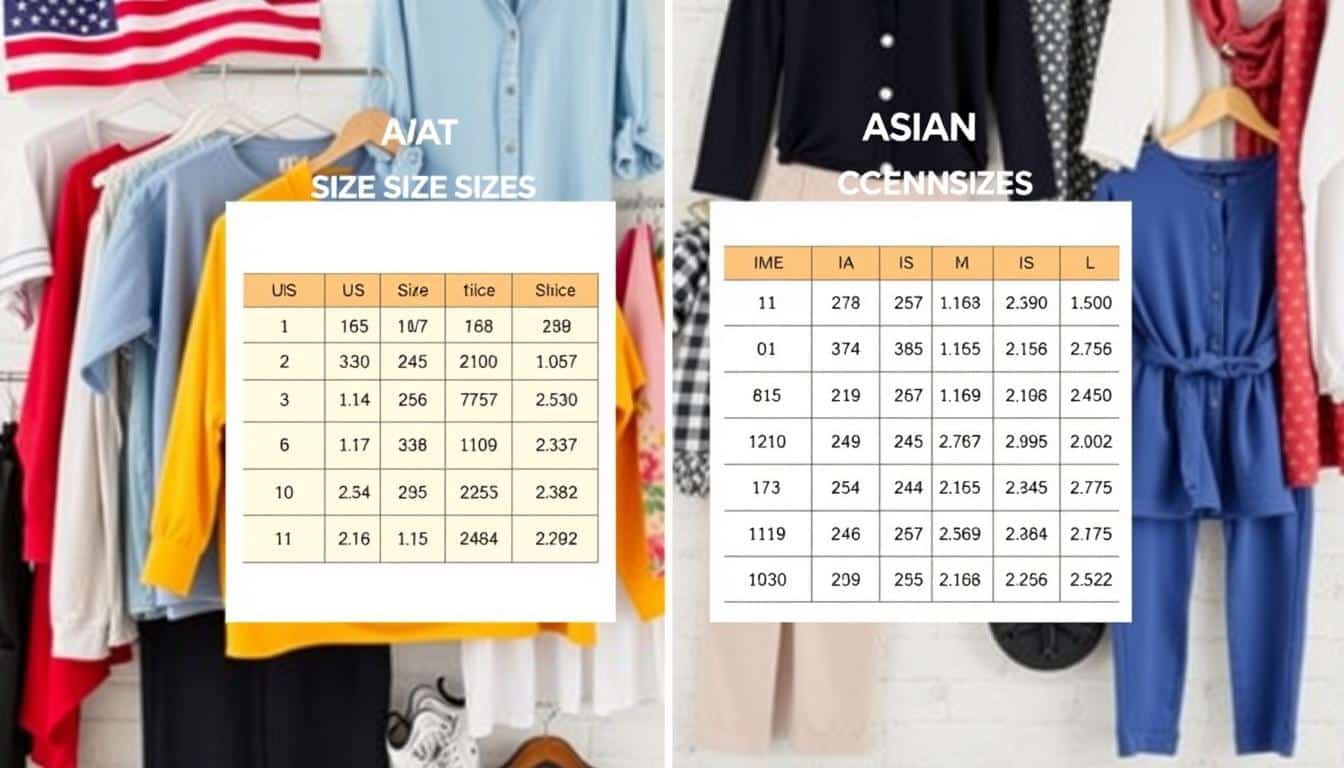
Shein sizes often follow international or Asian standards. This means a US medium might be more like a Shein large, depending on the design. The numbers and S–L labels might not match what you’re used to in the US. To avoid surprises, compare your measurements to those on the product page.
Common reasons for size variations across styles and collections
Shein works with many factories, which means there can be slight differences in how things are cut. For example, a fitted tee might have smaller measurements than an oversized sweater. The type of fabric can also affect how a size feels when worn.
Some items or special collections have their own unique sizing. This adds another reason why Shein sizes can vary among different items. Keep this in mind when shopping.
Reading product-specific sizing notes and customer reviews
Product pages provide important details like garment measurements and model stats. They may also tell you if an item “runs small” or is “stretchy.” Use this info to decide if you need a different size. The specifics are crucial.
Customer reviews, especially those with photos and shared measurements, are very helpful. Search for reviews from people who are similar to you in height and size. The feedback might point out common issues like problems with length or fit. More reviews often mean you get a better idea of the item’s true fit.
How to Measure Yourself for the Best Shein Fit
To start, you need simple tools and a clear method. Use a fabric tape and stand before a mirror to keep the tape level. Wear a snug, non-padded bra or a thin shirt to best mimic your intended top’s fit.
Tools you’ll need: tape measure and a mirror
A soft tape, a full mirror, and having a friend to help you are key. A friend can better measure shoulder and back areas. Write down each measurement in inches. Then, convert them to centimeters for Shein’s size chart.
Step-by-step measuring: bust, underbust, waist, and hips
Measure your bust at its fullest. Keep the tape snug but not tight. Round to the nearest half-inch for accuracy. The underbust or band measurement should be taken right under your bust, level with the ground. This is crucial for well-fitting tops.
To measure your waist, find the slimmest part above your belly button. Measure your hips at their widest. These measurements are important for tunics and long tops. Use your numbers to compare with Shein’s size guide, not just the flat garment sizes.
Measuring for sleeve length and shoulder width
For sleeve length, start at the shoulder seam or where you’d prefer the seam to be. Measure down your arm to the wrist. For short sleeves, measure from the shoulder to where the hem should end. To find your shoulder width, measure across your back from one shoulder bone to the other.
For raglan or drop-shoulder tops, traditional measuring might not apply. Look at the product photos and reviews for a better idea of the fit.
How to measure if you plan to layer or want a relaxed vs. fitted look
If layering is your aim, add 1–3 inches to your bust and waist sizes, depending on layer thickness. For a loose fit, add 2–4 inches to these measurements for free movement. Choose a size near your actual measurements for a close fit. If unsure, weigh your bust size and shoulder width against the product’s specified measurements. Decide based on how snug or loose you want it, and the fabric’s stretch.
Shein Tops Size Chart: How to Choose the Right Fit
Understanding the Shein size chart can save time and prevent returns. First, match your measurements to the chart. Also, checking the fabric type and garment style will help you know how snug or loose it should be.
Interpreting the numeric and letter sizes on the Shein chart
Shein combines letters (XS, S, M) with numbers for bust, waist, and hips.
These are not US sizes. Compare your measurements and pick where your sizes match the chart best.
Using centimeters vs. inches on Shein measurements
Shein often uses centimeters. To convert inches, multiply them by 2.54.
For listings with flat garment widths, double the number to compare to your measurements.
How to map your measurements to the size chart for different top types (tees, blouses, sweaters)
- Tees and knits: focus on bust and shoulders. Allow 1–3 inches for fitted tees, 3–6 for oversized looks.
- Blouses and woven tops: these need extra space. Add about 2 inches to your measurement for comfort and check other sizes.
- Sweaters and heavy knits: look at the material. Stretchy ones can be smaller for snug fits; for loose styles, go bigger.
When to size up or down based on fabric stretch and design
Size up for no stretch, structured shapes, if layering, or for more room. Size down for stretchy materials and if you prefer tight fits.
Focus on underbust and bust measurements for tricky designs, like cropped tops. Small adjustments, like seam alterations, may fix minor size issues.
Practical Tips to Avoid Fit Problems and Improve Confidence
Begin by looking at the fabric details on the product page. Different materials like cotton, polyester, and linen have unique stretch and drape qualities. For stretchiness, search for spandex or elastane. A fabric stretch guide can show how a top might fit and its change after a wash.
Dense knits offer structure and might feel tighter than soft viscose or rayon that flow and outline the body. Always read the care instructions before purchasing. Cotton and some rayon mixtures may shrink with hot washes. So, opt for cold washes and air-drying to keep the fit right.
How to use customer photos and reviews for fit clues
Look through Shein reviews and sort them by size and height of the reviewer if you can. Compare these dimensions to your own for a good fit idea. Study the photos for details like sleeve length and fit around the chest.
Pay attention to frequent comments about fit, like “tight around the chest” or “thin material.” Multiple similar remarks are more telling than one odd one. Match the reviews with photos for a real sense of how something fits before you decide to buy it.
Return, exchange, and alteration strategies for US shoppers
Learn the return policy of Shein in the US, including the time you have to return items and any costs. Keep the product’s original packing and take photos of any fit issues for faster returns. Good photos and measurements can make exchanges smoother.
Consider getting your clothes altered locally for minor fixes. Adjusting hems, sides, or sleeves can be cheaper and quicker than sending items back. These small changes by a tailor often cost less than return fees and can make an almost-right top perfect.
Styling tips for slightly off-fit tops to make them look intentional
Tops that are too big can be styled with tucks, belts, or knots for shape. Tucking a blouse into high-waist pants creates a neat, balanced look. If a top is tight, layering with a jacket or cardigan can help hide tight spots.
Accessories like scarves and bold belts can attract attention and make your outfit choices seem purposeful. In a pinch, use fashion tape or sew a few stitches to fix hems or close gaps until you can have the item tailored.
Remember these Shein fit tips: check fabric types, look into reviews, be aware of return periods, and consider quick alterations or styling tricks. These steps can help avoid sizing surprises and make you feel more confident in your new clothes.
Conclusion
Using the Shein tops size chart makes ordering easy. Always measure yourself and change units if needed. Check your numbers against the chart to avoid surprises and get the right fit.
Consider the stretch of the fabric, its lining, and how it’s cut before choosing a size. Look at customer photos and reviews to get a better idea. Also, keep your measurements handy for quick reference.
If your top doesn’t fit, you can return it or have it adjusted by a tailor. Remember the sellers and products that worked well for you. View early orders as chances to learn. Always measure before buying to minimize returns and shop with more confidence.
Content created with the help of Artificial Intelligence.