Anúncios
Shopping for workout clothes online can be tricky. Different brands and private labels on Temu don’t all use the same sizes. This guide with a Temu activewear size chart is here to help. It focuses on U.S. shoppers. It uses waist and hip measurements for finding the perfect leggings, bike shorts, and joggers. Since Temu offers lots of options, a specific guide like this can make shopping simpler and cut down on returns.
This brief guide talks about how to find your size for Temu leggings and shorts. It will show you how to measure in inches and centimeters. You’ll learn tips for picking the right size in the U.S. We go over how to measure yourself, what size you might be in Temu’s range, and notes on different styles. There’s also advice on when to pick a larger or smaller size for tight pieces and how different materials might change the fit.
Anúncios
Even though we mostly talk about women’s clothes, we include details on men’s and unisex sizes too. We’ve made everything easy to understand for people shopping in the U.S. This way, you can find activewear from Temu that’s comfy, boosts your performance, and looks great.
Key Takeaways
- Use waist and hip measurements to find your way through Temu size charts better.
- Sizes will be in both inches and centimeters, making things easier for U.S. shoppers.
- Fits change based on how high or low the waist is and what the fabric is like—know when to choose a bigger size for tight pieces.
- Simple steps for measuring at home can decrease the need for returns and help you find a better fit.
- Looking at reviews and return policies can help you be sure about the size of Temu leggings and shorts before you buy.
Why fit matters for activewear: comfort, performance, and style
Finding the right fit can change everything about your sportswear. It prevents distractions, keeps the fabric in place, and boosts confidence. Brands like Nike and Lululemon focus on fit so you feel and perform your best during workouts.
How proper fit improves workout performance
A good fit means less chafing and no need for constant readjusting. Well-fitted compression gear supports muscles and could help with blood flow during workouts and recovery. The right fit ensures clothing breathes and wicks away sweat effectively.
Having activewear that fits perfectly helps you focus and move freely. Whether you’re lifting weights, sprinting, or doing yoga, a good fit makes all the difference.
Common fit problems with leggings and shorts
- Waistband rolling or digging — often from the wrong rise or a narrow band.
- Gaping at the back — caused by an incorrect waist measurement or low-rise cut.
- Camel toe — results from a tight crotch or wrong stitch placement.
- Sagging after wear — fabric with low recovery or overstretching from an ill fit.
- Thigh chafing and seam pulling — due to poor patterning or wrong size choice.
Trying a different rise, opting for higher-compression materials, or changing sizes can be quick solutions. Such small adjustments can solve many leggings issues and make them last longer.
Why waist and hip measurements are the most important for bottoms
For pants to fit well and allow free movement, the waist and hip sizes must be right. The waist helps prevent the pants from slipping, while the hips define the fit of the thighs and the overall look. Always measure your natural waist, high hip, and the fullest part of your buttocks and thighs.
Since brands have different ways of cutting and stretching fabrics, it’s crucial to track both waist and hip sizes. Doing so helps you find the best size, avoiding sagging, gaping, or discomfort during workout.
How to measure your waist and hips accurately at home
Measuring accurately is simple with a few tools and calm steps. You need a flexible cloth or vinyl tape measure, a full-length mirror, and thin clothing or underwear. Stand on a flat surface and maintain good posture. You can measure by yourself using a mirror or with a friend’s help.
Tools you need: tape measure, mirror, and tight-fitting clothing
Pick a soft tape marked in inches and centimeters. This makes reading measurements easy. Wear form-fitting clothes like leggings or underwear to reduce bulk. Place the mirror so you can see yourself from the side and back. Always keep the tape level and parallel to the ground.
Step-by-step: measuring your natural waist
Identify your natural waist, the slimmest part between your rib cage and hips, usually right above the belly button.
- Stand relaxed, feet hip-width apart, and breathe normally.
- Gently exhale, then wrap the tape around your waist without tightening it on your skin.
- Check the tape is level and flat before reading the number.
- Write down the measurement to the closest 1/8 inch or 0.5 cm. Remember 1 inch equals 2.54 cm.
Step-by-step: measuring your hips for activewear
Find the fullest part of your hips and buttocks to measure. This spot is usually 7–9 inches (18–23 cm) below your waist. Adjust for your body shape as needed.
- Stand with your feet together for an even wrap with the tape.
- Put the tape over the fullest part of your hips and buttocks, keeping it flat.
- Do not press the tape into your body; note the measurement while relaxed.
- If measuring for leggings, remember the waistband’s position and take additional measurements as necessary.
Tips to ensure consistent measurements over time
For the most consistent results, measure at the same time of day. The best time is in the morning, after you’ve gone to the bathroom and before eating a lot.
- Re-measure periodically, especially after significant changes in weight or fitness.
- Always take three measurements and average them if they differ.
- Maintain a log of your measurements, including waist, hips, height, and weight. This helps make online shopping easier.
Understanding Temu sizing: conversions, fit notes, and common variations
Temu offers a range of brands and private labels, meaning sizes can differ. Before buying, align your waist and hip measurements with the seller’s chart using a Temu sizing guide. Be cautious with numeric sizes as Temu and US sizes can vary, often by one to two sizes.
How Temu sizes compare to US standard sizes
Always look at the product’s actual measurements, instead of just the size number. Many customers find Temu sizes smaller or larger compared to U.S. sizes. Measure your own waist and hips. Then, compare those figures with the product’s listing, either in inches or cm.
- Choose between sizes based on your body shape and how you want the item to fit—tight for exercise or loose for comfort.
- When unsure, check if returns are free. This makes comparing Temu to US sizes risk-free.
Fit notes: high-waist vs mid-rise vs low-rise styles
Picking the right rise depends on what you’ll be doing and what feels good. High-waisted styles offer more coverage for the stomach and stay put for active use.
Mid-rise options hit around the belly button, giving a good balance of flexibility and coverage.
Low-rise fits sit low on the hips, suitable for relaxed settings but may slide down with vigorous activity.
When to size up or size down for compression pieces
With compression wear, sizing is key for proper support and circulation. For a tight fit, choose your actual size. For more comfort or if you plan to wear layers, go one size larger.
Don’t choose a smaller size to increase compression. It may hinder your movement and blood circulation. Look for details like spandex or elastane content, and how well the fabric rebounds to understand compression levels.
Variations between fabrics and their impact on fit
The type of fabric can affect how clothes fit over time. Nylon-spandex or polyester-spandex mixes provide a durable stretch. Cotton mixes may be softer but can stretch out sooner.
- Textures like brushed or ribbed materials might start tight but become more comfortable as you wear them.
- Thinner, sheer materials might reveal more when stretched too much. Thicker fabrics can better conceal minor fit issues.
Review the fabric details and customer feedback to learn how stretchable materials, durability through activities, and maintenance after laundry can influence the fit.
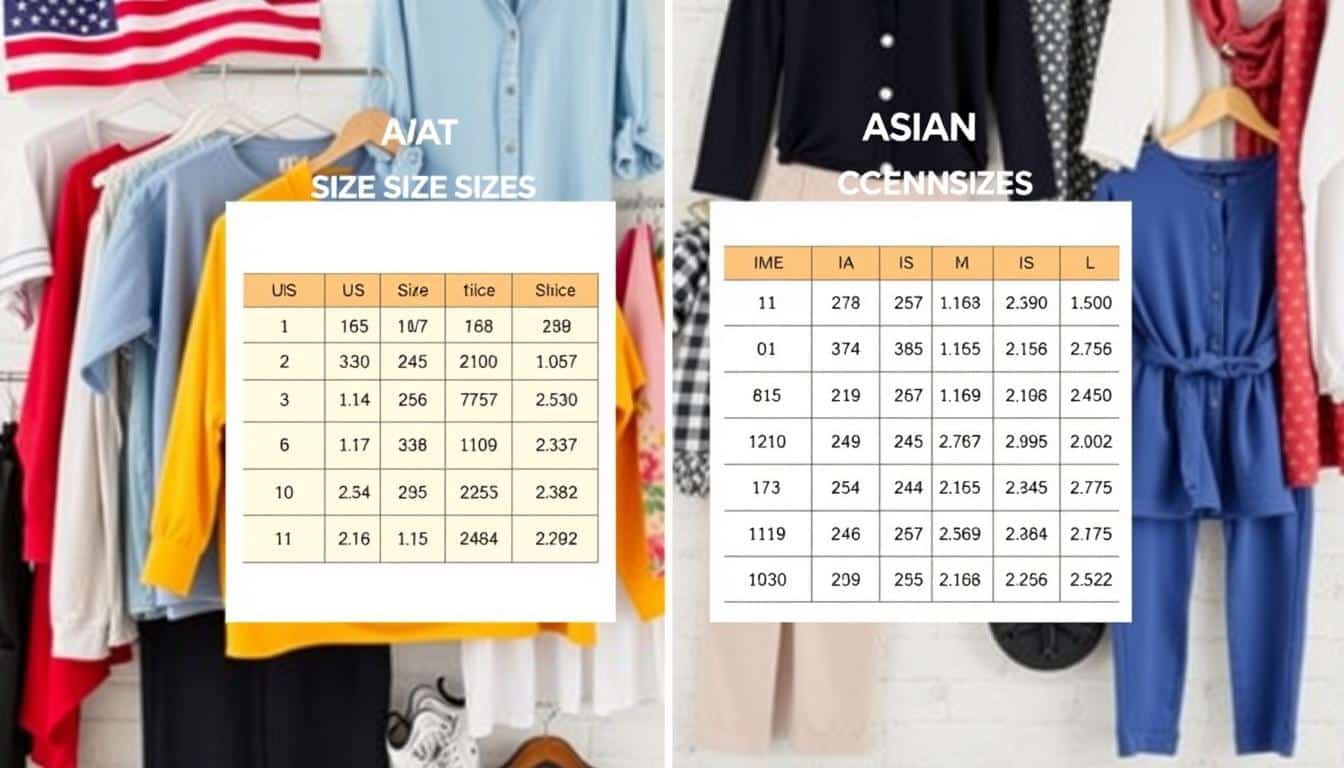
Temu Activewear Size Chart: Waist & Hip Guide
Figuring out Temu sizing is easier when you know your measurements. Match what you measured with Temu’s size chart. This will help you shop online without guesswork. Remember, each listing might have its own size chart.
Official Temu size chart for women’s bottoms (waist and hip in inches/cm)
Size listings from XS–XXL show the waist and hip measurements. An example of a Temu chart is as follows:
- XS: 24–26 in / 61–66 cm waist; 34–36 in / 86–91 cm hip
- S: 26–28 in / 66–71 cm waist; 36–38 in / 91–97 cm hip
- M: 28–30 in / 71–76 cm waist; 38–40 in / 97–102 cm hip
- L: 30–33 in / 76–84 cm waist; 40–43 in / 102–109 cm hip
- XL: 33–36 in / 84–91 cm waist; 43–46 in / 109–117 cm hip
These measurements are just examples. Always check the chart on the product page before buying.
Examples: which size to choose based on typical measurements
If your waist measures 29 in and hips 39 in, Medium is your size according to the example. For a waist of 32 in and hips of 42 in, Large fits better.
A waist of 25 in and hips of 35 in usually means Small is right. When waist and hip sizes don’t match, pick based on hip size for leggings. This ensures they fit well around the thighs and seat. For high-compression clothes, prioritize waist size to keep them from rolling down.
Size chart for men’s active bottoms and unisex notes
Men’s sizing focuses on waist and inseam. Here’s a sample men’s Temu chart:
- S: 28–30 in waist
- M: 31–33 in waist
- L: 34–36 in waist
- XL: 37–39 in waist
Remember to check the inseam for the right length in joggers and shorts. For unisex sizes, compare both charts. Choose what matches your waist and hips best. Men’s compression gear might fit differently, so always check product details.
How to use the chart for different activewear styles (leggings, bike shorts, joggers)
For leggings, the hip size is crucial for a snug fit around your lower body. Then, make sure the waist size is comfortable. If you’re between sizes, consider the fabric’s stretch and whether you prefer a tight or loose fit.
Bike shorts should be roomy at the hip and thigh to allow easy movement. Size up if you’re in between sizes to avoid discomfort. Joggers are more forgiving. Pick by waist size for a sleek look or go larger for a relaxed feel.
Looking at customer photos and reviews helps. This lets you see how the clothes fit different people. Using this info, you can shop the Temu size charts confidently.
Shopping tips and fit testing: returns, reviews, and alterations
Before adding items to your cart, gather clear fit clues. Key Temu shopping tips include saving reviews that have photos. Also, note measurements like height, weight, waist, and hip of the reviewer. This helps compare body types to choose the right size.
Reading customer reviews for fit clues
Focus on reviews with measurements and the size bought. Search for comments on squat-proof qualities, waist fit, fabric’s feel, and durability. Reviewer photos help see through fabrics and stretch; note body shape descriptions.
Return and exchange policies to know before you buy
Learn Temu’s return policies and seller’s exchange periods. Keep all tags and boxes until you’re sure of the fit. Try items on over undergarments to follow hygiene rules. Pick sellers that offer free returns or quick responses to make returns easier.
Quick at-home fit tests to check compression and mobility
Do simple movements like deep squats, lunges, and running in place. This checks if the clothes cover well and fit right. Try bending and moving to see if clothes stay put. For compression wear, press it to see if it snaps back quickly.
Simple alterations and waistband adjustments for a better fit
For a snug fit, try easy fixes. This includes switching to a tighter elastic or sewing a dart at the waist. You might add a button or silicone strips inside waistbands to prevent slipping. For big adjustments, consider seeing a tailor. Just remember, altering clothes can void returns and warranties, so only alter items you’ll keep.
Using reviews to find your size, trying on clothes properly, and knowing how to fix waistbands leads to smarter shopping. Avoid common sizing problems by combining these strategies.
Conclusion
This guide shows the best way to pick Temu activewear sizes is to measure accurately. Use a soft tape measure. Carefully follow the method step by step. Write down the measurements in inches and centimeters. It’s important to match your numbers with the seller’s size chart. This is because Temu’s items may differ by brand, how stretchy the fabric is, and how high or low they sit.
Here are some final tips for choosing Temu activewear. Always read reviews from other buyers to find useful fit tips. Look for mentions of how tight it feels or where the seams are. After your order arrives, check how well it fits. Move around to see if it’s comfortable and if the waistband fits right. If it doesn’t feel right, you might return it or get it altered slightly.
What to do next: Measure your size now, save it, and check the size chart on the product page before buying. These steps make it easier to choose the right size in Temu, and you won’t have to guess. Knowing your size, understanding the material, and reading reviews can help U.S. shoppers. They can buy activewear that fits well and is good for working out.
Keep this guide handy for when you shop next time. If you share your size and how the clothes fit in reviews, you help others. This also makes Temu’s size information better for everyone.
Content created with the help of Artificial Intelligence.