Anúncios
Learn how to navigate the Shein size chart for the perfect fit. This guide is for new buyers in the U.S. who are unsure about Shein sizes. It aims to simplify Shein size chart entries, lessen guesswork, and minimize returns.
Shein is known worldwide for its fast fashion. It offers sizes in US, UK, and EU formats and measurements in both centimeters and inches. Shoppers in America often find Shein’s sizes different from brands like Old Navy, Gap, or Nordstrom. That’s why this detailed guide is here to help you feel more confident when placing orders.
Anúncios
In this article, you’ll learn crucial tips: understanding how Shein sizes compare to others, reading measurement charts, measuring your body right, and choosing the correct size. This Shein sizing advice is designed to make shopping easy and stress-free, ensuring you get great fitting clothes.
Key Takeaways
- Shein size chart entries include multiple systems and garment measurements; learn which to trust.
- Understanding how to read Shein size chart reduces returns and improves fit.
- Measure your body in inches or centimeters before ordering for the best results.
- Shein sizing can vary from US retail brands; use product measurements and reviews.
- This Shein fit guide is tailored to U.S. shoppers and focuses on practical, step-by-step tips.
Understanding Shein sizing and why it matters
Shopping on Shein saves money and grows your closet, but size is key for a good fit. The brand delivers globally, usually using Asian sizing. Sizes like S, M, L, or numbers might be smaller than what U.S. stores offer.
How Shein sizing differs from US and international sizing
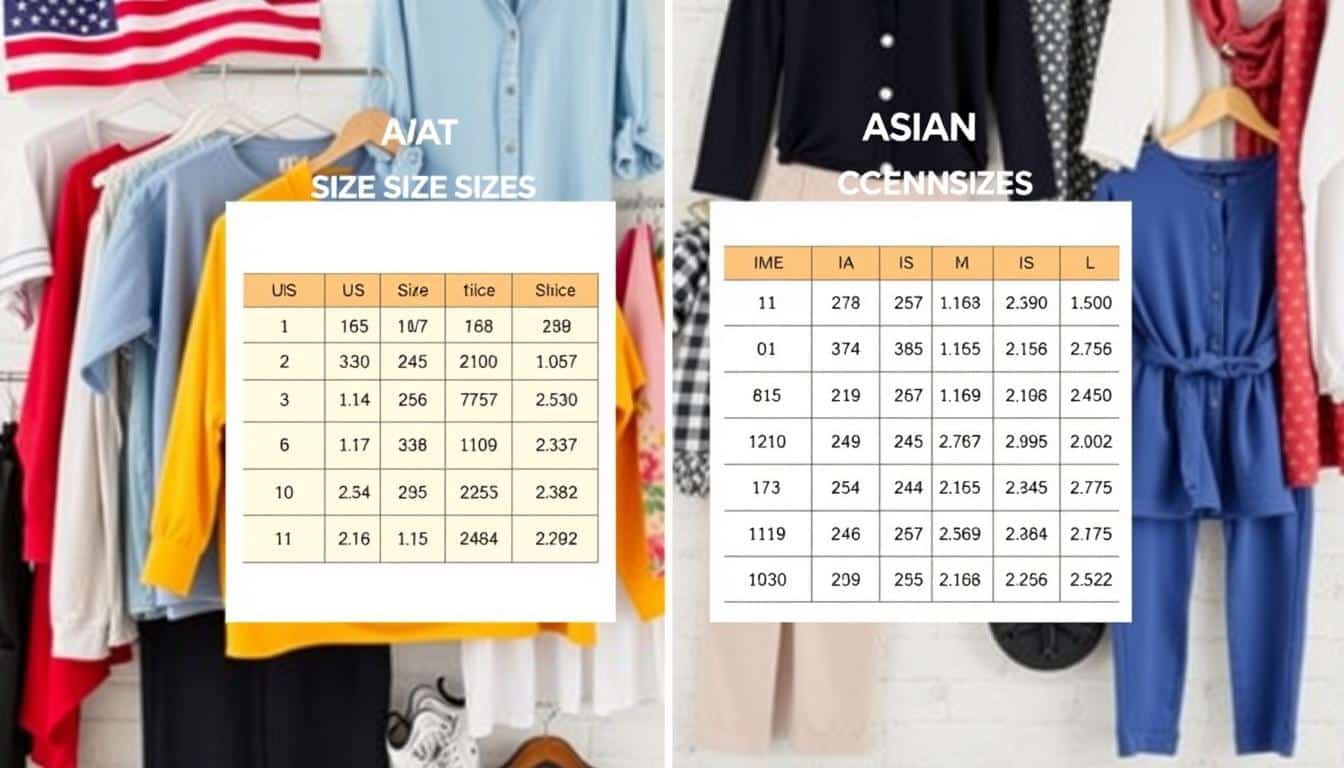
Asian sizes can be one to two sizes smaller than U.S. sizes. This results in differences between Shein and U.S. sizes. Some Shein clothes may feel tighter, while others fit as expected. It varies by the brand, style, and where the item was made.
Common sizing mistakes first-time buyers make
Shoppers might choose a size based on just a letter or how it looks on a model. This can lead to fitting problems. Not checking the specific measurements or the type of fabric can surprise you. Items like swimsuits, fitted dresses, and tailored pieces often need more accurate sizing.
Why checking the size chart saves time and returns
Looking at the size chart on each product page makes sizing more consistent and lowers returns. By comparing your measurements to the chart, you reduce fit problems. This avoids extra charges for shipping or restocking. Correct sizing helps U.S. buyers make quicker, better value choices.
How to read the Shein Size Chart Explained for First-Time Buyers
Understanding the right size on Shein starts with knowing the size chart. This easy guide explains how to match your measurements to Shein’s listings. You can avoid getting the wrong size this way.
Interpreting listed measurements: bust, waist, hips, and length
Shein listings use important terms. Bust refers to the chest’s fullest part. The Waist is often the torso’s narrowest point. Hips are the widest part of the hips and buttocks. The Length varies with the item.
For tops and dresses, consider bust and length. For skirts and pants, look at waist and hips. Outerwear requires checking shoulder width and sleeve length too.
Understanding body measurements vs. garment measurements
Your body measurements are your exact numbers. Garment measurements display the piece’s size, usually shown flat. Sometimes, you may need to double these flat measurements. Often, both garment and body measurements are shown together.
Some listings include ease, which means extra space in the garment. A tight piece may add 1–2 inches of ease. A loose piece could have 3–6 inches. Choose sizes based on your measurements and the listed garment measurements for the best fit.
How to convert between inches and centimeters
Shein uses centimeters by default. To switch, remember 1 inch equals 2.54 centimeters. Multiply inches by 2.54 for centimeters. Divide centimeters by 2.54 to revert to inches.
If you prefer, you can change the website’s measurements. Always round up for comfort. This avoids mistakes when using the size chart.
- Check whether the chart shows body or garment measurements before you compare.
- Double flat garment numbers to estimate circumference for bust, waist, and hips.
- Allow extra room based on fit: fitted, regular, or loose.
Step-by-step guide to measuring yourself accurately
Online shopping gets easier with reliable measurements. This simple guide shows how to measure for tops, dresses, bottoms, and outerwear. It makes buying clothes online much smoother.
Tools you need:
- Flexible fabric tape measure for curves and contours.
- Full-length mirror to check tape placement and level lines.
- A friend to help with hard-to-reach spots, optional but useful.
- Snug-fitting undergarments or the underwear you plan to wear with the garment.
- Flat surface or hard floor to stand on for consistent posture.
A flexible tape measure fits your body better. A mirror ensures the tape is straight. These tips help avoid measurement errors.
How to measure bust, waist, hips, shoulder width, and inseam:
- Bust: Wrap the tape around your chest at the fullest part. Keep it level and breathe normally. Use the bra you’ll wear for the most accurate measurement.
- Waist: Locate your natural waist, then wrap the tape around without pulling tight. Just measure relaxed.
- Hips: Measure where your hips are widest. This might be below your waist. Find the fullest part for accuracy.
- Shoulder width: Measure across your back from one shoulder to the other. You can use a shirt seam or the bones at your shoulder for guidance.
- Inseam measurement: For pants, measure from a well-fitting pair. Or measure from the crotch to where you want the pants to end.
Double-check your measurements for accuracy. Record them in inches and centimeters to compare with online sizes.
Measuring for different garment types:
- Tops: Focus on bust and shoulder width. Measure sleeve length from shoulder to wrist if needed.
- Dresses: Measure bust, waist, hips, and length. Remember to adjust for empire waist styles.
- Bottoms: Measure waist and hips. Include inseam and rise for a perfect fit.
- Outerwear: Measure shoulder width and chest. Allow extra space for layers underneath, especially for thick sweaters.
Use your measurements against the size chart instead of choosing by letter size. Brands like Levi’s and Gap show detailed sizes. This makes shopping at Shein or anywhere more reliable.
Tips for choosing the right size on Shein and avoiding returns
Finding your perfect size on Shein begins on the item’s page. Look at the size chart provided for each product. Compare your measurements to those of the garment, not just S, M, L sizes. Keep your measurements handy in both inches and centimeters.
When to size up or size down based on fabric and fit
Stretchy clothes like knits with elastane fit tighter. If you’re in between sizes and it has 3–5% elastane, go smaller. For stiff fabrics like cotton or polyester, choose a larger size. With coats or items without lining, add 1–2 inches to your measurements for comfort.
Using product reviews and customer photos to confirm fit
Reviews on Shein can help a lot. Always read at least the top 10 reviews. Pay attention to photos from customers. See the size they bought and their comments on fit. Look for words like “tight,” “right fit,” or “loose.” This helps guess the fit before you buy.
Understanding sizing by category and brand variations
Shein has many different brands. Each has its own sizing. Swimwear and underwear might be smaller, while loungewear tends to be larger. They have special sizes for petite and plus. Think of each Shein brand as a different store. Check their specific size charts first.
How to factor in stretch, linings, and adjustable features
Dresses with lining, or suits without, usually are tighter. If unsure, choose a bigger size. Clothes with elastic, strings, or adjustable straps are more forgiving. Look at the fabric details and pictures to see seams, linings, or how it closes.
- Always compare your body numbers to the garment measurements.
- Read the first 10 reviews and study photos for real-life fit clues.
- Note stretch fabric sizing by checking elastane or spandex content.
- Record Shein brand differences on your personal cheat-sheet for future orders.
Conclusion
To sum it up, here’s a quick guide for using the Shein size chart: Start by getting your body measurements correctly with a tape and a mirror. Then, match those measurements with the specific sizes given on the product page. Also, remember to convert the units if needed.
Consider the fabric type, how much it can stretch, and if it has any lining. Always choose your size based on the detailed size table provided rather than just going by S/M/L labels. This approach will help you make wiser choices.
For shoppers in the US, it’s important to measure accurately and consistently. Note down your measurements—bust, waist, hips, and how loose or tight you like your clothes. This will make shopping quicker next time. Also, looking at customer photos, reading detailed reviews, and checking the product’s specific measurement details will help confirm if it fits well. This reduces the need to guess.
By following these steps from the Shein sizing guide, you can avoid the hassle of returns. This will make you more confident in your purchases. If you’re ever not sure, just look back at this guide and the measurements on the product page before you buy. Doing so can make you happier with your purchases and lessen the need for exchanges or refunds.
Content created with the help of Artificial Intelligence.