Anúncios
Shopping for plus size clothing on Temu can help save money. But, sizes can vary, leading to more returns. This guide helps U.S. shoppers understand Temu’s sizes better. You’ll find out how to measure yourself at home, use the Temu size chart, and learn from reviews.
This guide gives you practical advice on taking your measurements and understanding size conversions. It also explains how different fabrics and styles might fit. This helps you guess if a dress, top, or pants will fit before you buy them.
Anúncios
Use this article to increase your chances of finding clothes that fit right away. With good measurements and some easy steps, shopping for plus size clothing on Temu becomes easier and more trustworthy.
Key Takeaways
- Measure yourself carefully and record Temu measurements to match the Temu size chart US.
- Compare Temu plus size chart numbers to familiar US sizes rather than relying on labels alone.
- Read reviewer photos and comments to find consistent fit patterns from the same seller.
- Know when fabric or design calls for sizing up or down to avoid surprises.
- Use returns or minor alterations as part of a smart shopping strategy for plus size clothing Temu.
Temu Plus Size Chart: What You Need to Know
When you shop for plus-size clothes online, it’s crucial to look at exact measurements. Temu shows size charts for each seller. That means sizes can vary, so always check the product’s size details before buying.
Overview of Temu’s sizing approach for plus sizes
Most products list sizes like bust, waist, hips, and garment length. You might see sizes marked as 1X, 2X, 3X or in numbers. Remember, sizes might be smaller than what you’re used to in the U.S. It also helps to see what the clothes are made of. Clothes with spandex or polyester might fit differently than those made from other fabrics.
Some items show what size the model is wearing and their measurements. To choose the right size, compare these to your own measurements.
Why an accurate plus size chart matters for online shoppers
Good size charts mean fewer returns and save you time and money. Finding the right fit is especially important for plus-size clothes. Different body shapes, like a fuller bust or curvier hips, affect how clothes fit—even if the size label seems right.
Size charts that show garment measurements are very useful. They let you know how clothes will fit—tight, just right, or loose—before you buy. This makes finding the right size online much easier.
How Temu’s chart compares to other fast-fashion platforms
Temu’s sizing guide is similar to other affordable online stores. Different sellers mean sizes can vary a lot. Compared to specialty U.S. brands, you might not find as much consistency.
If you’re looking at Temu and Shein, be ready for a similar experience. Always check the size guides, read reviews, and look at pictures closely. This can help you avoid surprises and find clothes that fit the way you want.
How to Take Accurate Body Measurements at Home
Getting the right numbers makes shopping online easier and cuts down on returns. This brief guide shows you how to measure your body at home. You’ll learn simple tips for using a measuring tape and advice for plus size measurements that everyone can follow.
Tools you need
- Use a soft tailor’s measuring tape made of cloth or vinyl. If you don’t have one, use a non-stretch string and then measure it with a ruler.
- Wear a snug, non-padded bra and light clothes, or measure on bare skin for the best accuracy.
- Stand in front of a mirror or have a friend help you. This makes sure the tape is straight and level.
- Write down each number in inches and centimeters. Keep a consistent record for future shopping.
Step-by-step measurement guide
- Bust: Place the tape around the fullest part of your bust. Keep it even across your back and snug but not tight. Note the high-bust measurement just above your chest for fitted items.
- Waist: Locate your natural waist where it narrows most, usually above your belly button. For lower-rise garments, measure where they will sit.
- Hips: Measure the widest part of your hips and rear. This is usually 7–9 inches below your waist, but adjust to find your widest part.
- Inseam: Measure from the crotch down to where you want pants to end. For skirts and dresses, measure from your waist to your desired hem.
- Shoulder and sleeve: For shirts, measure from one shoulder tip to the other across your back. Measure from the shoulder tip to your wrist for sleeve length, if needed.
Common measurement mistakes and how to avoid them
- Don’t pull the tape too tight or hold your breath while measuring. Stand naturally and breathe.
- Ensure the tape doesn’t twist or angle. A mirror or a friend can help keep it straight.
- Avoid measuring over thick clothes. Thin layers or bare skin are best for accuracy.
- Understand body measurements differ from clothing measurements. Decide if you want a tight or loose fit and adjust accordingly.
- Look at product descriptions for “relaxed fit” or “slim fit” to know how much ease to add before choosing a size.
Understanding Size Conversions and Fit Differences
Shopping in different countries is about more than numbers. Always use a clear size conversion chart. It helps translate labels into the actual garment size before buying.
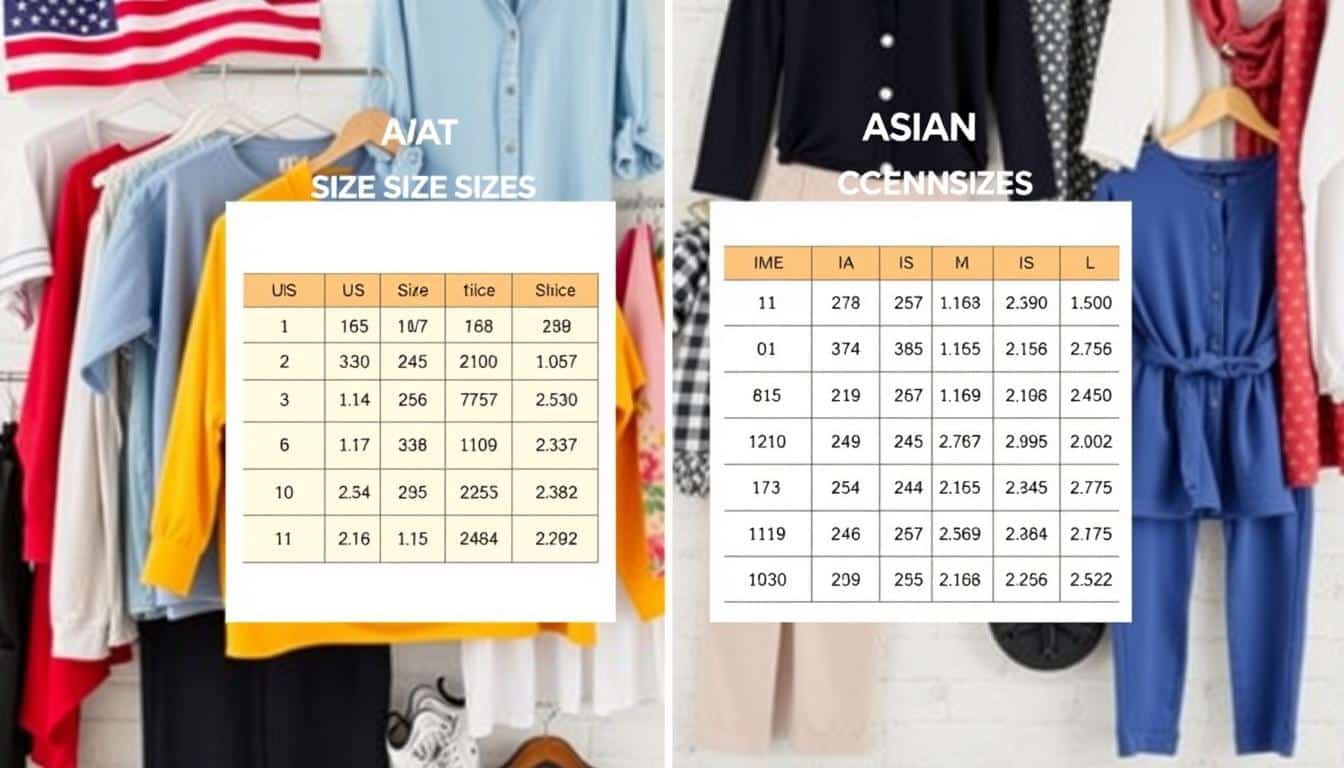
US UK EU size conversion isn’t always straight forward. A U.S. size 14–16 might be a UK 16–18 or an EU 44–46. The shift could be two or four sizes. Many Temu listings label sizes S–3XL or 1X–4X. Always compare these with U.S. sizes to get it right.
Different fabrics and cuts change how clothes fit. Stretchy materials like jersey follow your shape more closely. But fabrics like cotton or denim without stretch need more room to be comfy.
Fabric fit differences also depend on how the clothes are made. The way a garment is sewn, like where the seams are, affects fit. Structured clothes, like blazers, rely more on shoulder fit than waist size.
To pick the right size on Temu, remember these tips. Go a size up if the fabric doesn’t stretch much. Also, size up if you’re in between sizes or the item looks small in pictures.
Size down for very stretchy fabrics or if most reviews say it fits loose. Choose the smaller size for a tight fit only if your size matches the listing exactly.
Temu sizing tips suggest looking at seller Q&A and customer photos. This gives a real idea of how things fit. Always compare more than one listing for the same item. When unsure, trust the garment’s actual measurements more than the size label.
- Check numeric equivalents and measure your body first.
- Note fabric content to anticipate give or restriction.
- Read reviews for fit trends and photo verification.
Interpreting Temu’s Size Chart for Different Clothing Types
To read Temu’s size chart correctly, start by checking your own body measurements. Then look at the garment dimensions listed. Compare those figures to an item you love to ensure a good fit.
Dresses and jumpsuits: length and bust considerations
First, look at the bust measurement and the length of the dress. Even if a dress fits your bust, it might be too short or long. This depends on your torso length and the dress’s hemline. Compare the model’s height and the dress’s length to one you already own.
With jumpsuits, considering torso length is key because it varies a lot. Check what other shoppers say about the fit and look for tips in seller Q&A about comfort.
If you’re eyeing a dress with a wrap or tie-front, it might be more forgiving. Adjustable features on Temu dresses can better fit various bust and waist sizes.
Tops and blouses: shoulder and sleeve fit
The width of the shoulders is crucial for a top’s fit and look. Compare the shoulder measurements of Temu tops to a blouse you have that fits well.
Also, sleeve length and the space at the armholes are important for moving easily. Look at the sleeve lengths listed and read reviews about the fit and stretch.
When choosing fitted blouses, make sure to check the bust and arm sizes against the chart. This ensures the top won’t feel too tight or pull at the seams.
Pants and skirts: waist, hip, and rise measurements
For pants and skirts, compare your waist and hips to the garment’s sizes. Elastic or drawstring waists are more forgiving than fixed waists, which need to match your size exactly.
Check the rise measurement in the listing or ask the seller. The rise affects how the garment fits at your waist and its overall look.
In plus-size pants, don’t just look at the hip size. Check if there’s enough room in the crotch and thighs to sit or bend comfortably.
Customer Reviews and Real-World Fit Insights
Real shopper feedback fills gaps left by size charts. Reviews show how clothes fit on various body types, what fabrics feel like, and if clothes fit as expected. Look for common points in many reviews to find reliable patterns.
How to read size-related comments and photos
Search for reviews with details like height, weight, and size ordered. These specifics help you compare your measurements to the chart. In customer photos, look at where seams are, how the fabric hangs, and if sleeves or hems are the right length.
Pay attention to comments about stretchiness, comfort, and size accuracy. Photos from diverse body shapes give a clearer picture of fit than flat images do.
Identifying trustworthy reviewer feedback
Detailed reviews that include specific measurements and wear experiences are more helpful than short comments. Reviews with photos from several buyers increase trust in a garment’s consistent quality.
Reviews that detail what someone did in the garment, how it washed, and the chosen size are more credible. Posts lacking details usually aren’t helpful for making decisions on fit.
Using review trends to predict fit and quality
Look for common feedback. If many say an item runs small, consider sizing up. Reviews suggesting accurate sizing and good stretch mean you can likely trust the size chart. Mix star ratings and comments for a complete view.
Notice mentions of quality like strong seams or weak fabric. These comments hint at whether clothes will last after many washes, making analyzing trends vital before purchase.
- Prioritize reviews with measurements and multiple photos for clearer fit insight.
- Compare similar items across brands like Old Navy or Torrid to gauge relative sizing.
- Use aggregated patterns in Temu reviews fit to adjust your size choice.
Tips for Shopping Plus Size on Temu: Returns, Alterations, and Styling
Shopping for plus-size clothing on Temu can be budget-friendly. It expands your choices too. Make sure to read the product listings carefully. This is to check Temu’s return policies, return periods, and who covers shipping fees. Always take photos of items when they arrive and keep the tags on. This makes any returns quicker.
Understanding Temu’s return policy for plus-size items
Return policies change depending on the seller and item. So, always look at each product’s details before buying. You can usually return clothes within a certain period if they’re unused and still tagged. Remember, international orders might take longer to return. They could also cost more to send back. Think about this if you’re unsure about keeping a purchase.
When to alter versus when to exchange
Tailoring is a good choice if a piece mostly fits but needs small tweaks. This includes adjusting hems, sleeves, or the waist. These small changes can make your outfit look custom-made without spending much.
But, if the garment doesn’t fit right because of its design, like tight shoulders or bust, consider exchanging it. Major fit issues often mean the piece was wrongly patterned for your body. Altering these could be hard and costly.
Styling tips to get the most flattering fit
To dress your best, use plus-size styling tricks. Add a belt to cinch the waist on loose dresses and jumpsuits. Wear structured jackets to create shape. Choose flowy tops to balance your hips or shoulders.
A-line skirts and wrap dresses are universally flattering. Opt for fabrics and patterns that draw the eye up and down. This helps lengthen your look. If wearing tight clothes, light shapewear can smooth everything out. This gives you a sleek finish without discomfort.
Consider the cost of alterations against the price of your clothing. Minor adjustments, like adding elastic or hemming, are usually worth it. But, intensive modifications could get expensive. They might not make sense for cheaper items.
Tools and Resources to Make Sizing Easier
Online shopping for plus-size clothes is easier with the right tools. Use digital aids and simple records. They help make quick decisions and reduce returns.
Size calculators and virtual fitting tools
Now, many stores and apps have size calculators. They suggest the best size based on your measurements. See them as helpful guides but check the seller’s size chart before buying.
Virtual fitting tools and AR try-ons let you see how clothes fit. Their accuracy isn’t always perfect, so use them with a tape measure. Also, look at customer photos for a better idea of the fit.
Keeping a personal size chart for repeat purchases
Make your own size chart. List your measurements for the bust, waist, hips, inseam, and shoulder width. Add notes like “prefer 1–2 in. ease in woven tops” to remember what you like.
Note down the size you ordered and if it was a good fit. Keep a photo of clothes that fit well. This way, you can compare them with new items.
Trusted blogs and social channels for plus-size Temu finds
Find reviewers on YouTube, Instagram, and TikTok who try on clothes. Look for those in the United States who look like you. They give the best advice.
Join Reddit and Facebook groups that talk about Temu. They share tips, discounts, and thoughts on how things fit. This community often spots sizing trends before you see them on the product pages.
- Use size calculators as starting points, not final answers.
- Pair virtual fitting tools with your personal size chart for best results.
- Watch plus size Temu influencers and community reviews for honest fit reports.
Conclusion
The Temu plus size guide makes it clear: measure yourself first, and trust the seller’s size chart more than just U.S. sizes. When picking a size, consider the type of fabric and how the garment is made. Reading reviews with photos and specific sizes helps you understand how clothes truly fit. Comparing those details to your own measurements means fewer surprises.
There are easy next steps to follow. Start by making your own measurement log. Bring it when you shop for Temu plus size clothes. Always look at the size chart for each product. Read what other customers say and look at their pictures. Pay attention if they suggest buying a size bigger or smaller because of the material or style.
Shopping for Temu plus size becomes simple with a tape measure, your personal size log, and a habit of reading reviews carefully. These steps lower the chance of having to return items. They also increase your chances of finding clothes that look great and fit perfectly the first time.
Content created with the help of Artificial Intelligence.