Anúncios
This guide is for Shopee US shoppers. It helps them understand the Shopee formalwear size chart. Now, they can confidently buy suits, dress shirts, blazers, gowns, and dress pants. You’ll learn how to measure yourself, understand size charts, and read seller notes to avoid delivery surprises.
We’ll explain how Shopee sorts sizes by region and brand. We’ll also teach you to convert between US, Euro, UK, and Asian sizes. Plus, what slim, regular, and classic fits mean for your look. Get advice on when to size up or down, or see a tailor. This will help you get better-fitting formalwear for any event.
Anúncios
Our goal is to make this guide friendly and helpful. Follow the Shopee size guide to get a grip on formalwear sizing. Learn to pick the right suit size on Shopee and shop with ease. By the end, you’ll know how to read measurements, compare sizes globally, and use reviews to confirm fit.
Key Takeaways
- Use the Shopee formalwear size chart to match your body measurements to product listings.
- Measure chest, waist, hips, and inseam precisely before checking sizes.
- Convert between US, Euro, UK, and Asian sizes when a product lists international equivalents.
- Choose fit based on garment style—slim, regular, or classic—and the fabric used.
- Read seller notes and customer photos to verify the suit size on Shopee and reduce returns.
Shopee Formalwear Size Chart Explained
To find the perfect fit for your formal attire, starting with a good size chart is key. It helps you understand typical listings for suits, gowns, and more. Knowing how to read these charts is crucial before making a purchase.
What this size chart covers for formalwear
On Shopee, you’ll see measurements in both centimeters and inches. They cover details like chest, waist, hips, and more. Some sellers measure the clothing laid out flat, others suggest body measurements to match.
Types of formalwear may show different measurements. For example, blazers might detail shoulder and sleeve length while gowns focus on bust, waist, and hips. Always check if the numbers are for the garment or for your body measurements.
How Shopee organizes sizes by region and brand
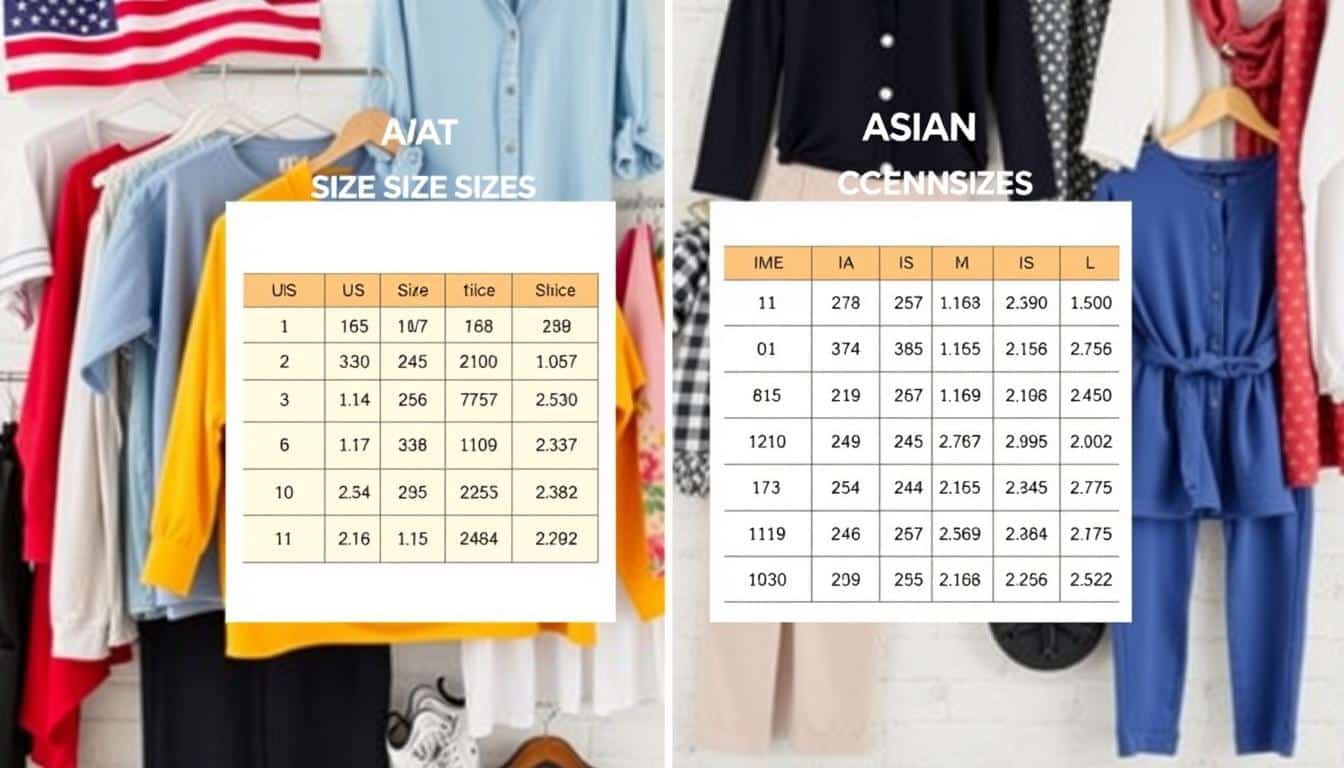
With sellers from all over, Shopee has sizes listed as US, UK, EU, or Asian. Asian brand sizes often run smaller than in the US. Luckily, some sellers include size conversion charts to help.
Different brands have their own sizing standards. Big names like Hugo Boss might follow US or European size guides. Local brands may stick to their own system. Always look at the Shopee size chart and brand sizing notes before buying.
Why this guide is important for US shoppers
US shoppers might struggle with size differences, especially when buying Asian brands. This guide aims to cut down on returns and extra alteration costs. It teaches shopping for the perfect fit for special occasions.
Look out for notes on how the fabric stretches, the model’s size, and sizing recommendations. Using international and regional sizes together can help you buy with confidence.
Understanding Measurements: Chest, Waist, Hips, and Inseam
Getting your measurements right makes shopping for formalwear on Shopee much easier. Even small mistakes can affect how your clothes fit and feel. So, check out these simple tips before choosing a size or contacting a seller for more measurements.
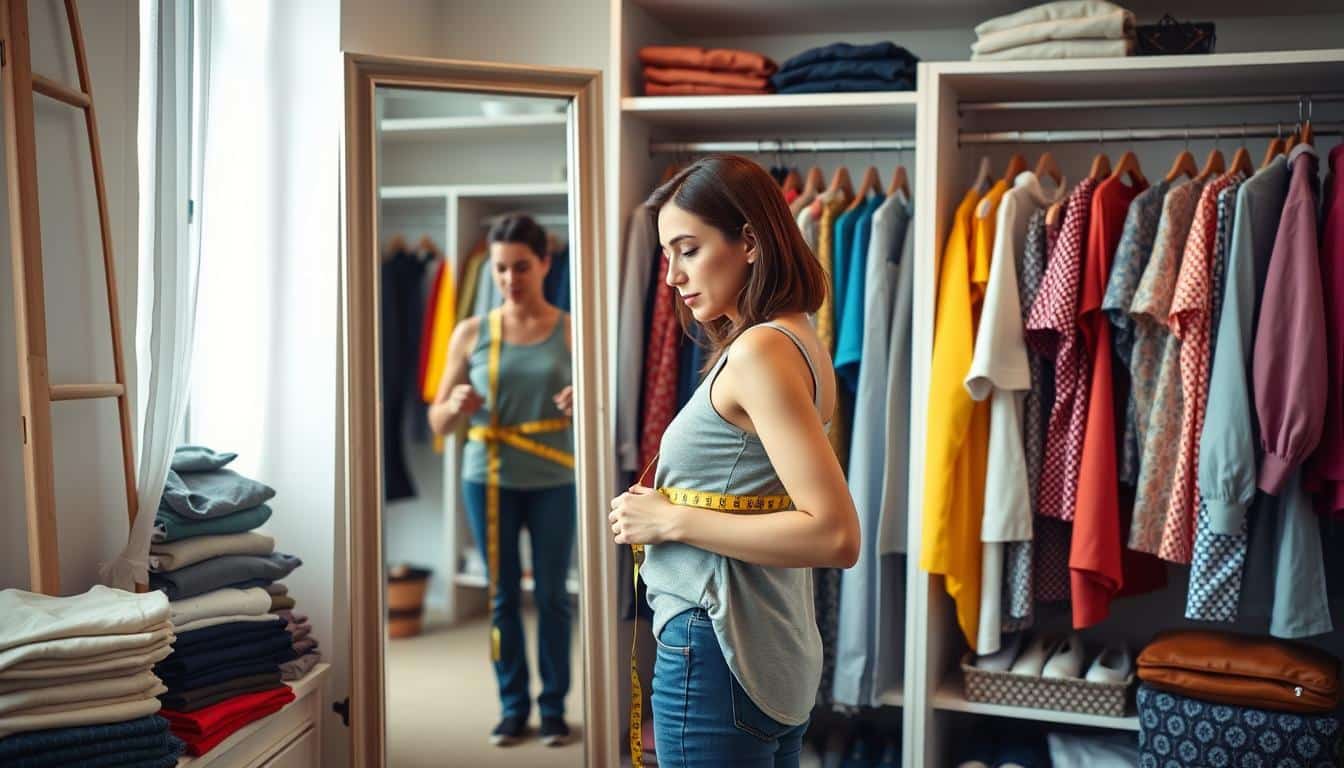
How to measure your chest
To measure your chest, place a soft tape measure around the fullest part. Make sure it goes under your armpits and around your shoulder blades. Keep the tape straight and snug, but not tight. When looking for dress shirts or jackets, also measure the shoulder width and the sleeve length from the neck’s center back to your wrist.
Compare the listed measurements of the seller with your own. If the listing only shows garment sizes, remember to add ease. You’ll need an extra 1–2 inches for a snug shirt fit and 3–4 inches for jackets to ensure you can move easily.
Finding your true waist measurement
Find your natural waist above your hip bones, usually near your belly button. For pants, measure where you’d wear your waistband. In tailored suits, you might see a listed waistband measure. Always account for a bit of stretch or adjusters in the waistband.
For dresses, pay attention to high or low waistlines. Empire and drop-waist styles don’t align with your natural waist. Check the dress’s waist measurement against your own before placing your order.
Measuring hips and inseam for tailored fit
For hips, measure the widest part while keeping your feet close together. To find your inseam, measure from the crotch down to where you want the hem. Or, for a more precise inseam length, measure a pair of well-fitting dress pants.
When shopping for pants, also look for thigh and rise measurements. These details can ensure you get the perfect fit, whether you want your pants close-fitting or a bit looser for formal events.
Common measurement mistakes and how to avoid them
- Don’t measure over heavy clothes. Stick to thin layers or just underwear to get accurate numbers.
- Avoid confusion between your measurements and the garment’s. Always check the seller’s notes to know what the numbers refer to.
- Remember, fabrics without stretch need more ease to move comfortably.
- Think about your shoes when you decide the length of pants for suits or long dresses.
Try measuring yourself twice at different times for accuracy. It’s also a good idea to get help from a friend. Keeping your own size chart handy can make future shopping faster and avoid common measuring errors.
Conversion between US, Euro, UK, and Asian Sizes for Formalwear
Shopee has different ways to show international size matches. Some listings have clear tables that link a US size to an EU number and a UK label. Others give measurements for both the body and the garment in centimeters and inches. It’s best to read each product page well to match actual measurements instead of just looking at size tags.
How Shopee lists international size equivalents
You’ll find tables that change US sizes to EU and UK sizes easily. For instance, a US 8 might be shown as EU 38 and UK 10. Be careful with Asian sizes: an Asian L can be similar to a US S or M. When there are garment measurements, check the chest, waist, hips, and sleeve lengths against yours.
Quick conversion tips for suits, shirts, and dresses
- European sizes for suits and blazers are usually numbers (46, 48) that match chest sizes in centimeters. Convert these to your US chest size using the seller’s chart.
- For men’s dress shirts, change neck and sleeve lengths in inches to your US neck size. A 15.5-inch neck is the same as a US size 15.5 shirt.
- For women’s dresses, remember Asian sizes might run smaller. Compare bust, waist, and hip measurements in cm to yours. Add suggested ease for a better fit if sizes are just S/M/L.
Shopee conversion tips
When you see conflicting labels, trust the actual garment measurements more than the size names. If there are both body and garment sizes, use the garment’s measurements. Add the ease mentioned for the fit you want. If the fabric doesn’t stretch much, choose a bigger size if your measurements are at the range’s top.
When to size up or down based on conversion patterns
- Choose a larger size for stiff fabrics or if your measurements are near a listed size’s maximum.
- Go for a smaller size if the brand says the item has extra room or if the fabric stretches.
- For tailored pieces like suits and jackets, pick the closest size. You can later adjust the shoulders or sleeves with a tailor.
This guide to size conversion is a helpful tool for shopping. Mix numeric measurements with seller comments and customer pictures to make sure of the fit before buying.
Fit Types and How They Affect Size Choice
Choosing the right fit changes how formal clothes look and feel. Think about if you want a sleek shape or more space first. Different brands may call fits by different names, so use the size info and model notes if you can.
Differences between slim, regular, and classic fits
Slim fit is tighter around the body, giving a neat, modern style. It’s best for slim people or those who want a sharp look.
Regular fit is not too tight or loose. It fits most people well and is good under a coat without being restricted.
Classic fit gives lots of space in the chest and waist. It’s for those who like their clothes comfy and loose.
Choosing fit for formal shirts, blazers, and trousers
For shirts, check the neck and sleeve lengths. Go slim for a neat look with a coat. Choose regular for more comfort.
Blazers should fit right at the shoulders first. This is the hardest to change. You can adjust the waist and sleeves later.
For trousers, look at the waist and how they sit. Slim fits well if your legs are narrow. Go for regular or classic if you want freedom to move or comfort for longer periods.
How fabric and tailoring change how a size feels
The type of fabric is key. Wool, cotton, and blends act differently. Stretchy materials fit closer, while stiff ones need more room. Remember this when trying on clothes or reading about them.
How a piece is made affects fit too. A structured jacket feels different than a softer one. The inside lining also changes how it feels.
Adjustments can make ready-to-wear clothes fit better. Usually, you change sleeve length, how tight it is at the waist, and pant length. Always get the best fit for the hardest place to alter, then customize the rest for a perfect fit.
How to Read Shopee Product Size Charts and Seller Notes
First, find the size chart for the product on Shopee. It might be near the selection area, in the description, or shown in images. On your phone, you may need to tap to see the full chart. If you can’t find a chart, ask the seller directly or look in the Q&A section.
Where to find size charts on product pages and in descriptions
- Size charts can be in product images or descriptions, sometimes as downloads or links to the brand’s site.
- For items from other countries, you might see sizes in centimeters. Change these to inches if needed.
- The third or fourth image from a seller is often a detailed size guide.
Interpreting seller-provided measurements and alteration recommendations
- Know if listed measurements are for the body or the clothes. Clothes’ ones are flat and help if you like a bit more room.
- Look for seller advice on sizing and things like shrinkage or measurement differences (like ±1–2 cm).
- Consider alteration suggestions; some say to buy bigger for a custom fit or mention if sleeves and hems are not standard sizes.
Using customer photos and reviews to confirm fit
- Check reviews for customer photos to see how the clothes fit in real life. Pictures can show if sleeves and waists fit well.
- Find reviews where shoppers give their measurements and what size they bought. This helps match Shopee’s chart to US sizes.
- Look for the most recent reviews with photos to see the latest items. Check if the fabric and sizing were as expected.
Mix the size chart, seller details, and customer feedback to understand the fit better. Before buying, decide if you need changes or a different size.
Sizing Tips for Specific Formalwear Items
Getting the perfect fit is key. It saves time and makes any outfit look its best. Below, you’ll find helpful tips for popular formalwear for shoppers in the United States. These tips use size charts from brands like Calvin Klein, Brooks Brothers, and Hugo Boss. Follow these tips before buying. This will help reduce returns and save money on alterations.
Suit and blazer essentials:
- Start with the shoulders and chest. The shoulders should match your natural line. Buy for the shoulder fit. Then, alter the waist and sleeves as needed.
- For two-piece suits, match the jacket size with the trouser waist. A size 40R jacket might not match a 34 waist. Check the measurements for each.
- For tuxedos worn occasionally, look at tuxedo sizing tips for the lapel style and fit. Then decide to rent or buy.
Dress shirt and blouse pointers:
- For men’s dress shirts, start with the neck and sleeve length. Make sure there is enough chest room to prevent button gaps.
- Women’s blouses need correct bust and shoulder measurements. Allow 1–2 inches for movement in tailored styles.
- Choose breathable fabrics for long events. They keep you comfortable and looking sharp.
Formal dress and gown guidance:
- Make sure the bust, waist, and hip measurements match the seller’s chart. This is especially important for structured gowns where bust fit matters most.
- Think about heel height when looking at length. Ask if hemming is possible.
- For detailed gowns, plan for a professional fitting. This ensures a perfect fit after buying.
Pants, tuxedo trousers, and skirt advice:
- Measure the waistband and inseam for dress pants. Check if the waistband is flat or elastic and if you’ll need a belt.
- For skirts, know whether it sits at your natural waist or is low-rise. Get precise hip measurements for pencil and fitted styles.
- Tuxedo trousers require front rise and hem width checks for proper shoe fit. Verify these based on tuxedo sizing tips.
Conclusion
This summary of Shopee formalwear tells you what to do: measure your chest, waist, hips, and inseam right. Then, match these measurements with the seller’s size chart. Knowing regional size conversions and the types of fits like slim, regular, and classic is also key. These steps help lower the chance of returns and let you shop for formal clothes online confidently for any big event.
When figuring out your size, always look at the seller’s size chart and reviews. Compare your body measurements to the measurements of the clothes. And don’t hesitate to message the seller if something about the size isn’t clear. For shoppers in the US, following the Shopee guide is straightforward. Make sure to check size conversions, look at customer photos, and remember that you might need to pay a bit for adjustments to achieve that perfect fit.
This guide is meant to be your go-to checklist before buying. By sticking to these sizing tips, you’ll guess less, enjoy a better fit, and have an easier time buying formalwear online from sellers around the world.
Content created with the help of Artificial Intelligence.