Anúncios
Temu is your go-to spot for budget-friendly fashion, with a vast selection from around the globe. For US shoppers, getting a handle on Temu’s sizing can make shopping smoother and cut down on returns. This guide will show you why sizes vary between sellers and why baggy styles need a different approach than typical fits.
We’ve prepared an easy-to-follow Temu size guide for the US. It includes how to understand clothing measurements, how to use size charts effectively, and how to measure yourself to ensure a perfect fit. You’ll learn about sizing trends, how fits change depending on the type of clothing, and tips that help you use customer feedback and pictures to verify sizes.
Anúncios
Our aim is clear: to help you choose baggy clothes that look just as good as you imagine them to. Save this guide to oversized fitting and share it with your friends who also shop at Temu. Measure yourself, check the Temu oversized size chart, and look at reviews before making a purchase.
Key Takeaways
- Temu’s oversized size chart differs from one supplier to another; always look at the specific product measurements.
- Temu’s sizes aren’t one-size-fits-all—compare the measurements of Temu clothes to your own.
- Take your chest, waist, hips, and length measurements to find the best oversized look.
- Before you order, look at customer photos and reviews for tips on the actual fit.
- If you want clothes that layer well, go for a bit more room and size up if unsure.
Understanding Temu sizing and oversized trends
Shopping on Temu is full of surprises because it offers items from many places like Asia and Europe. Here, sizes like Small, Medium, and Large might not match what you expect from U.S. brands. That’s why it’s key to compare sizes carefully before buying.
How Temu sizing compares to U.S. standard sizes
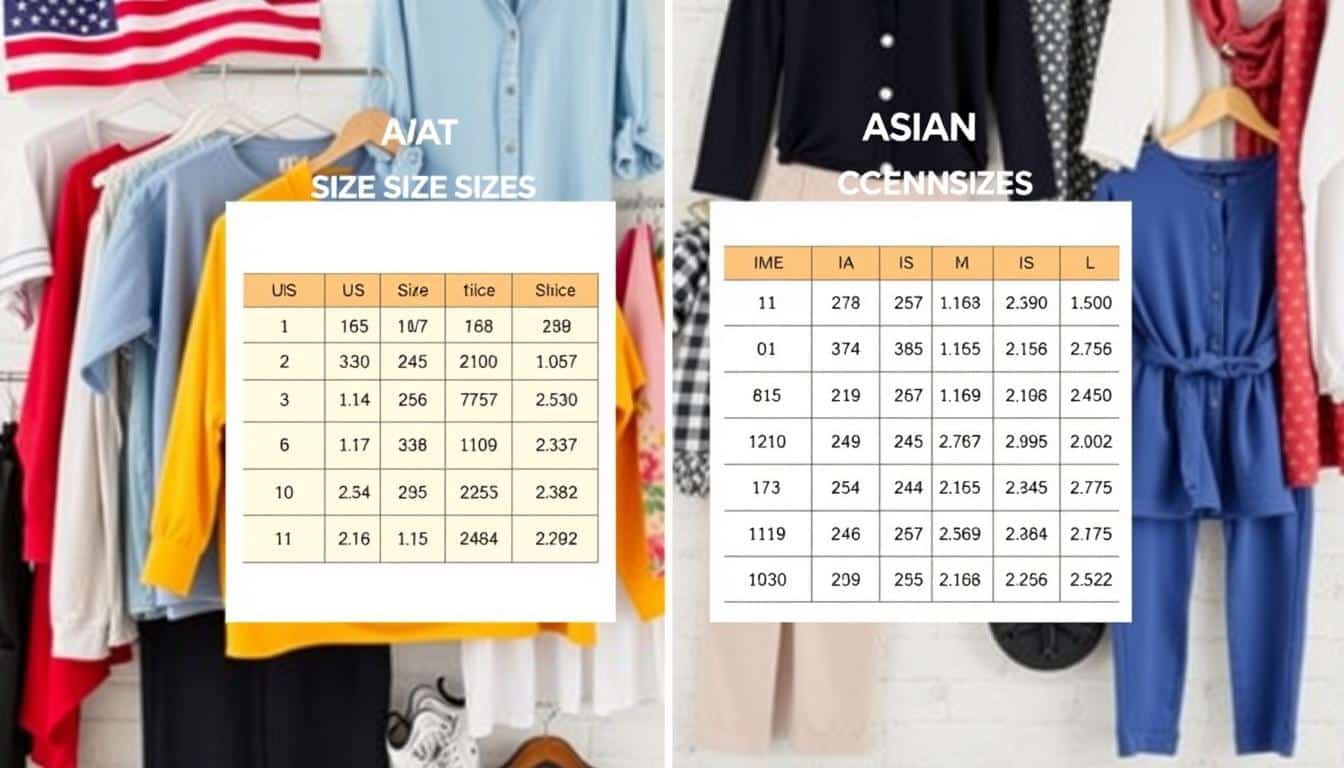
Temu’s sizes often follow Asian standards, so a Temu “M” might be smaller than a U.S. M. It’s smart to look at the product’s size chart in inches or centimeters, not just the size label. Always check the seller’s size guide for chest, waist, and length to avoid surprises because of the different sizes.
Why oversized fits are popular right now
Oversized styles are in due to streetwear trends, 90s comebacks, and gender-neutral fashion. They bring comfort and are great for layering. Plus, with help from Instagram and TikTok icons, these loose fits have become fashion-forward. Designers make sure oversized items are just the right amount of big so they look trendy, not too large.
Common misconceptions about oversized clothing fit
Oversized clothing isn’t a one-size-fits-all solution. It’s about taking the right base size and adding extra room for a stylish look and movement. The fabric’s weight, how the shoulders are built, and the length of the sleeves can change the way clothes hang. This means one oversized label might look different across various brands.
- Compare measurements in inches or cm rather than label letters when doing a Temu vs US sizes check.
- Expect variation from international sizing differences and read product-specific charts every time.
- Remember oversize fit misconceptions often stem from assuming all oversized equals baggy; quality design keeps proportions intact.
Temu Oversized Size Chart: What to Expect
Before exploring Temu’s size chart, understand what it shows you. This guide will help you understand how sizes work for an oversized fit. You’ll shop with confidence and make fewer returns.
Overview of typical measurements included in Temu charts
- Bust / chest: often shown as either body measurement or finished garment measurement.
- Waist: listed similarly, useful for dresses and waistbands.
- Hips: crucial for skirts, dresses, and longer tops.
- Garment length: center back or front length, tells where the hem will land.
- Sleeve length and shoulder width: key for sleeve shoulder measurements and overall drape.
- Hem or cuff circumference: shows how loose or fitted hems and cuffs will be.
Temu listings may show recommended body sizes or the actual garment size. Understanding both helps you choose better. Remember to check if measurements are in centimeters or inches.
How to read chest, waist, hip, and length measurements
Match your measurements to the size chart’s numbers. For finished garment sizes, subtract your size from the garment’s size to figure out the fit.
If you’re after a baggy look, aim for 4–8 inches more than your size. For a very loose fit, you might want even more space. Check if the length matches where you want your top to fall, like at your waist or thigh.
Interpreting sleeve, shoulder, and hem measurements for oversized styles
A dropped shoulder look means wider shoulder measurements. This gives a loose sleeve and comfy feel.
For sleeves, see how the length and cuff size affect their look. A wide hem means more flair. Measure against your own sizes to see how it’ll look on you.
Understanding these oversized sizing tips can make your Temu shopping easier. Follow these guidelines to find your perfect oversized fit.
How to measure yourself accurately for Temu items
To get the right fit, start with clear and simple steps. Here are useful tips on measuring your body and a tape guide. They will help you get reliable measurements before shopping on Temu.
Tools you need
- Flexible cloth measuring tape for accurate curves.
- Full-length mirror so you can check tape alignment.
- Paper and pen to record each number and note whether the product uses inches or centimeters.
- A friend to help with shoulder and length measures for better precision.
- Wear thin, form-fitting clothes or underwear to avoid added bulk.
Step-by-step measuring
- Chest/Bust: Wrap the measuring tape around the largest part of your chest. Men should measure across the nipples. Women measure around the fullest part of the bust, tape parallel to the floor.
- Waist: Find your natural waist, the skinniest part. If wearing high- or low-rise, measure that too. Note both your natural waist and any other measurements.
- Hips: Stand with your feet together. Measure the largest part of your hips and buttocks.
- Shoulders: Measure across your back from one shoulder to the other. Have a friend help keep the tape level for the best accuracy.
- Sleeve length: Measure from the shoulder down to the wrist. Or, measure from the center back neck to wrist if specified.
- Garment length: Measure from your shoulder or center back neck to the hem. Follow Temu’s guidelines for the correct length.
Round your measurements to the nearest half-inch and note the unit. Use a tape measure guide for help with inches and centimeters. Following these steps ensures you measure your chest, waist, and hips correctly every time.
Tips for layered or oversized looks
- When layering, measure over a thin base. Add 1–3 inches for a tee under a sweatshirt, and 3–6 inches for heavy sweaters.
- Add extra room to chest and sleeve measurements for comfortable movement in oversized outerwear.
- If you’re unsure, measure a garment you own that fits well. Compare it to Temu’s sizes to find the right fit.
Always use these measuring tips when you shop. Learning to measure yourself for Temu will save you time and lessen returns. It also helps you shop confidently, knowing you’re choosing the right size.
How fit varies by garment type on Temu
Each type of garment has its own fit needs. Consider fabric weight, how it’s made, and the intended fit. These aspects affect how clothes fit, move, and layer on your body.
Oversized tees and sweatshirts seem similar but are quite different. Light knits stick close to your body, showing its natural shape. In contrast, thick materials like cotton or fleece create bulk, affecting how they fit.
Casual tees usually have 4 to 8 inches of extra room. Sweatshirts, although similar in chest size, may feel tighter due to thick fabric and tight hems. Look for dropped shoulders and wide sleeves for a laid-back vibe. The length of these clothes affects whether you tuck them in or not.
Outerwear and jackets need extra space for layers. If wearing a hoodie or sweater, check the ease around the chest and sleeves and any layering tips. A jacket might feel tight across the back or at the arms if the shoulders are too narrow, even if the chest area seems spacious.
Shoulder design affects how outerwear fits and allows you to move. Tailored shoulders offer a sleek look. Raglan or dropped shoulders provide more freedom of movement. For long coats, sleeve and bottom measurements are crucial. They decide how it layers and looks with other clothes.
Dresses and skirts shape your look based on length and where the waist sits. A straight-cut, oversized dress looks boxy. But, add a defined waist, and it shifts to a more structured silhouette.
Skirts with elastic waists are adaptable to slight size changes. Fixed-waist skirts need an exact waist size and proper hip room. Measure a dress against one you own to guess if it’ll be short, medium, or long on you.
Even small size differences can affect how you style a skirt. Where it sits on your waist or hips changes its look. This can make an outfit seem casual, formal, or somewhere in between.
Practical tips to choose the right size and avoid returns
First, get insights from those who’ve bought before. Read Temu reviews and check if others mention fit. Use their height, weight, and U.S. size to gauge how Temu’s sizes match up with yours.
Looking at customer photos on Temu is key. They show how clothes fit in real life. Be cautious of pictures that crop too much or use weird angles. Shots from various buyers often provide a more honest view than one perfect photo.
How to use review details
- Look for reviews where people compare their usual U.S. size to what they got on Temu.
- See if multiple reviews mention the same thing about length or how sleeves fit.
- Follow the trends: if many say an item runs small, think about going a size up or down.
Sizing guidance by body shape
- If you have broad shoulders or a large bust, going a size up might be better for an oversized look and comfort.
- If your shoulders are narrow or you want a slight oversized look, a smaller size could work better.
- For those with a pear shape, focus on hip sizes for skirts and dresses.
- Apple-shaped? Look for tops that are comfy around your chest and waist.
- A good rule: if you’re on the upper end of a size, going up a size can prevent a too-tight fit.
Check fabric and stretch before deciding
Don’t skip the stretch guide on product pages. Materials like cotton blends and knits all fit differently. Spandex or elastane adds flexibility, making snug fits more comfortable. Items made from non-stretchy fabric need careful measurement.
If anything’s not clear, ask the seller directly. Know the return policy from Temu to stay ahead of sizing doubts.
Conclusion
To nail the oversized look, start by measuring yourself. Then, match your measurements to the product’s size chart. Make sure you know if the chart lists the garment’s actual size or the body size it’s meant for. When it shows the item’s size, it’s easier to see how it will loosely fit you.
For an effortlessly oversized style, consider the fabric and its design. Add a bit more room if you love that slouchy look. If you’re going to wear something underneath, or if you’re on the upper end of a size, go up a size. Check customer reviews and photos to see how it fits on various body types.
Lower your chances of returning items by keeping your measurements handy and noting down size charts from your favorite sellers. Always check the return policy before making a purchase. By measuring carefully and following these tips, shoppers in the U.S. can find their perfect oversized outfit easily.
Content created with the help of Artificial Intelligence.